
Raising resilient puppies; a preventative health guide for the first year
Puppyhood is more than vaccines and training, it’s when the body’s key systems are being built. This guide breaks down the highest impact levers in the first year, environment and enrichment, nutrition, socialisation, immune foundations, and healthy growth, so you can set your pup up for long-term resilience without chasing perfection.
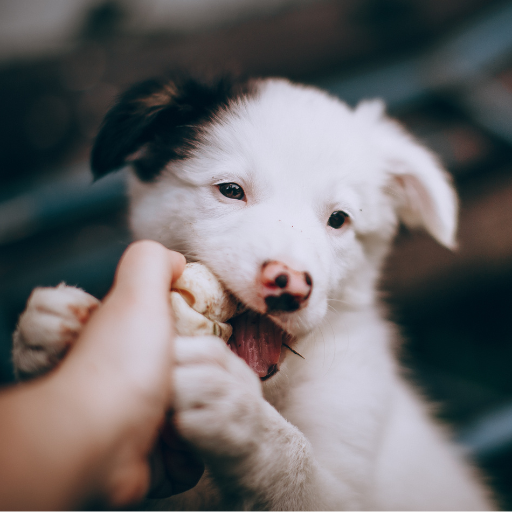
A preventative health guide for the first year
The first year of a dog’s life is often treated as a rush to get through. Vaccines booked. Training started. Growth monitored. Then on to the next phase.
But puppyhood isn’t just a transition. It’s one of the most biologically influential periods of a dog’s entire life.
The foundations laid in the first twelve months quietly shape immune function, metabolic health, stress resilience, and how a dog copes with ageing later on. Not perfectly. Not deterministically. But meaningfully.
This guide isn’t about doing everything “right.”
It’s about focusing on the things that matter most, early.
What we mean by resilience
When we talk about resilience, we’re not talking about toughness.
In biology, resilience refers to the body’s ability to:
- Adapt to change
- Recover from stress
- Maintain balance over time
For puppies, this means building systems, immune, metabolic, musculoskeletal, and neurological, that can respond well to the world they’ll grow into over time.
That work starts earlier than most people realise.
Environment and enrichment, wiring the nervous system
Puppies don’t grow up in a vacuum. The environments they’re exposed to early on help shape the kind of dog they become in everyday life. A household with young children, frequent visitors, or changing routines asks for adaptability. A very social owner might want a dog comfortable in cafés or busy outdoor spaces.
Thoughtful enrichment means preparing your puppy for your version of normal, while staying responsive to who they are as an individual.
Early life is when the nervous system is most adaptable, shaping how a puppy responds to novelty, uncertainty, and stress later on.
This doesn’t mean overwhelming them. It means thoughtful exposure, things like:
- Different surfaces underfoot
- Varied sounds and environments
- Calm, positive interactions with people and other dogs
- Short, manageable challenges that build confidence
Mental enrichment isn’t optional in puppyhood. It’s foundational biology in action. Puppies that learn to process new information calmly are better equipped to handle change as adults, from new environments to veterinary visits.
At the same time, puppies are puppies. Temperament, genetics, and personality vary widely, even within the same breed. Like any relationship, raising a dog involves compromise. We shape them, and they shape us. Preventative care isn’t about control, it’s about learning, adjusting, and meeting the dog you have where they are.
Nutrition as biological programming
The first year of life plays an outsized role in shaping long-term metabolic health.
Nutrition during this period influences:
- Immune system development
- Musculoskeletal growth
- Gut health and inflammation
- Cognitive development and brain health
- Body composition later in life
There is no single perfect diet. What matters most is appropriateness.
A diet that supports steady growth, avoids excess weight gain, and suits your puppy’s size, breed, and lifestyle helps set a healthier baseline for adulthood.
Equally important is realism. The “right” diet is one that works for your puppy and your household. Consistency and balance matter far more than chasing perfection.
Socialisation, confidence over exposure
Socialisation is often misunderstood as “meet everyone and everything.”
In reality, it’s about teaching puppies how to feel safe and regulated in the world.
Positive, controlled experiences help puppies learn:
- How to recover from mild stress
- How to read social cues
- How to stay curious without becoming overwhelmed
Quality matters more than quantity. A calm walk past traffic can be more valuable than a chaotic dog park visit. Confidence is built through successful experiences, not forced ones.
Learning to read your puppy’s body language is one of the most powerful skills an owner can develop. Subtle signals, like turning away, pausing, stiffening, or seeking distance, often appear before overt stress. Responding early helps build trust and teaches puppies that their communication is heard.
Tip: Sometimes the most valuable training happens on the sidelines. Sitting quietly near a dog park, café, or playground and simply observing helps puppies learn to stay regulated in stimulating environments. Calm exposure builds confidence without tipping into overwhelm.
Building strong immune foundations
Vaccination remains a cornerstone of early-life protection and one of the most important things we do to set puppies up for a healthy life.
Modern preventative care doesn’t question whether to vaccinate. It focuses on how immunity is supported and managed thoughtfully over time, once that essential foundation is in place.
Research in canine immunology, including work by experts such as Dr Jean Dodds, has helped shift thinking toward understanding immunity as something that evolves across a dog’s life, rather than something addressed once and forgotten.
Tools like titre testing play a role later in life, helping guide ongoing immunity decisions once core vaccinations are complete. We explore this in more detail in our adult dog guide.
In puppyhood, the priority is clear: establish protection. The nuance comes later.
Growth, body condition, and avoiding early overload
Rapid growth, particularly in medium to large breed puppies, places significant demand on developing joints, muscles, and connective tissue.
Supporting healthy growth means:
- Avoiding overfeeding
- Monitoring body condition rather than just weight
- Encouraging age-appropriate movement, not forced exercise
Lean puppies don’t just look different, they develop differently. Maintaining a healthy body condition early reduces long-term strain on joints and metabolic systems.
Laying the groundwork for lifelong monitoring
One of the quiet advantages of being intentional in the first year is that it creates a baseline.
Knowing what “normal” looks like for your puppy, their appetite, energy, body condition, and environment, makes it easier to spot subtle changes later on.
This is where preventative care shifts from reactive to proactive. Trends matter more than snapshots. Context matters more than averages.
It’s also why systems that help track health over time become more valuable as dogs move through life stages.
Puppyhood isn’t about perfection
There’s a lot of pressure on new dog owners. Conflicting advice. Strong opinions. Very loud voices.
Raising a resilient puppy isn’t about getting everything right. It’s about making informed, thoughtful choices, adjusting as you learn, and focusing on the foundations that support long-term health.
Because puppyhood doesn’t just prepare dogs for adulthood.
It prepares them for ageing well.
Bringing it back to their Blueprint
The first year sets the trajectory, but it doesn’t define the destination.
As puppies grow, their needs change. Their environment changes. Their biology changes. Preventative care works best when it evolves alongside them.
The Elita Blueprint is designed to support that journey, helping owners build a personalised, longitudinal view of their dog’s health from the very beginning.
Not a checklist. Not mindless tracking.
Just better questions, answered over time.
👉 Ready to start building your puppy’s personalised health blueprint?
Explore Elita Blueprint and lay the foundations for more good years, together.