
What is dog longevity, really? A clear explanation for owners
Longevity isn't about squeezing out extra months. It's about more good years, the ones where your dog is comfortable, mobile and themselves. Here's what it actually means, and the biology that sits underneath it.
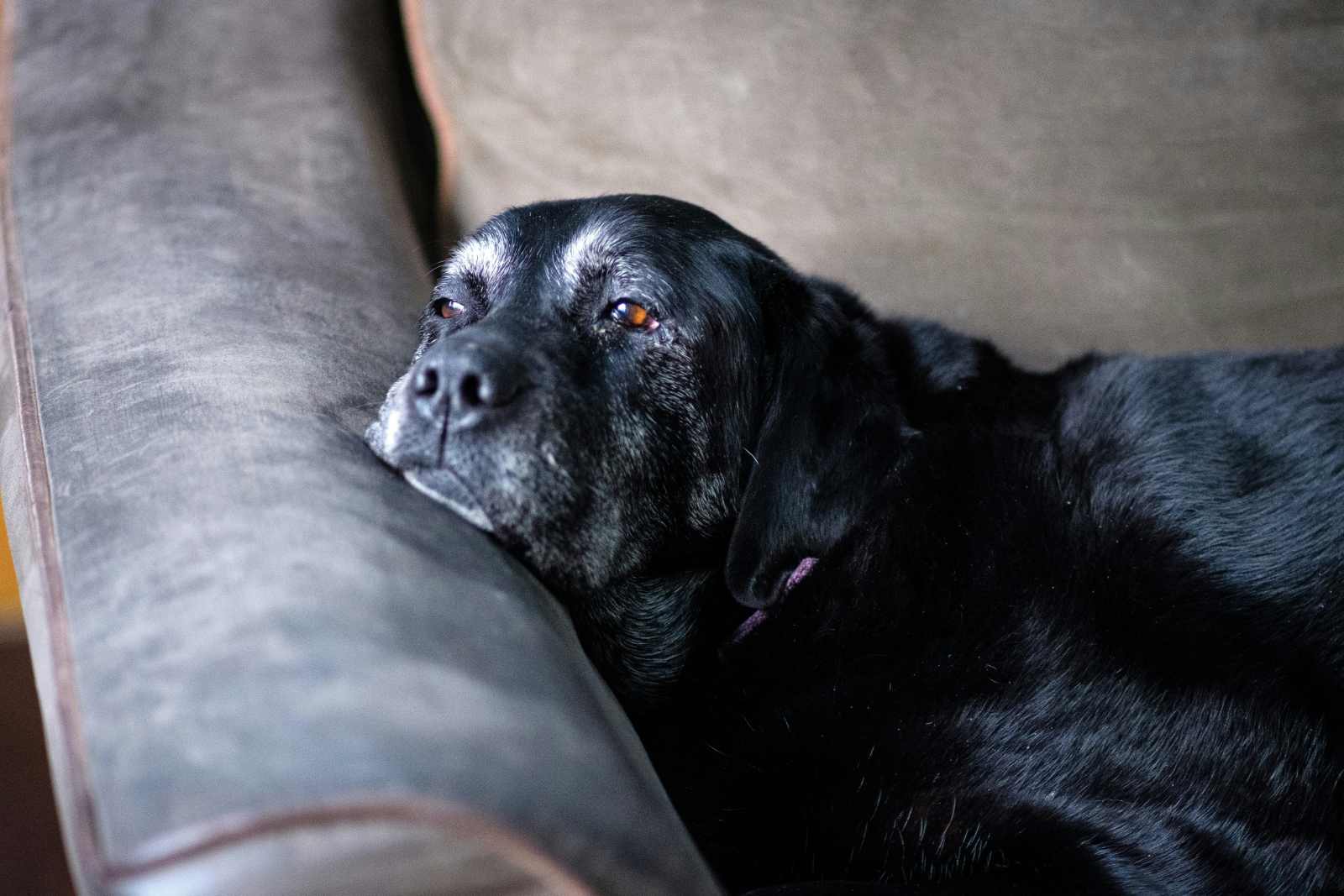
"Longevity" gets thrown around a lot. For dogs it's often reduced to a single idea: living longer. That's part of it. But it misses the point that matters most to owners.
Longevity, done properly, is about healthspan, not just lifespan. Not simply more years, but more good years. Years where your dog is comfortable, mobile, engaged and themselves.
Lifespan vs healthspan
Lifespan is how long a dog lives. Healthspan is how much of that life is spent in good health. You can stretch one without the other, and most owners, given the choice, care far more about healthspan. A dog who stays bright, active and comfortable into their senior years is the goal. Extra time spent unwell is not the same win.
Longevity as a field is about widening healthspan. Compressing the hard years, extending the good ones.
It comes back to biology
Here's the shift that makes longevity make sense. A dog's age isn't one number. There's chronological age, how many years since they were born, which you can't change. And there's biological age, how their cells, tissues and organs are actually functioning, which you can influence.
A seven-year-old with a good diet, healthy weight and low inflammation might have the body of a five-year-old. Another dog the same age, carrying extra weight and untreated dental disease, might be ageing faster than the calendar suggests. Same birthday, different biology.
Longevity work is really the work of slowing biological ageing. Everything that helps, staying lean, moving daily, protecting the mouth, catching change early, works by easing the biological pressures that speed ageing up: inflammation, metabolic strain, muscle loss.
What longevity is not
It's not about stopping the clock. Ageing is a normal biological process, not a fault to be corrected. It's not a single supplement or a one-off answer. And it's not about chasing extra time at any cost. Longevity that ignores quality of life isn't longevity worth having.
It's also not reactive. Waiting for symptoms and then responding is the old model. Longevity is anticipatory: understanding your dog's biology, watching how it changes, and acting while problems are still small.
The levers that actually move biological age
Longevity can sound abstract until you break it into what you can control. In dogs, the evidence keeps pointing at the same handful of levers. Body condition, keeping a dog lean rather than carrying excess weight, is one of the most powerful, with data linking ideal body condition to meaningfully longer life. Muscle mass, preserved through movement and good protein, is tied closely to healthspan. Diet shapes inflammation and gut health. Dental health feeds, or eases, the body's inflammatory load. And catching change early with your vet keeps small problems small.
None of these are dramatic. That's rather the point. Longevity is less about one intervention and more about consistently easing the biological pressures that speed ageing up.
Why this is finally possible for dogs
Longevity science has moved quickly. Large research efforts are now mapping how dogs age at a cellular level, and the picture that's emerging is that ageing is uneven. Different systems, immune function, metabolism, inflammation, don't all age at the same pace. That's exactly why a personalised view of each dog beats generic, breed-average advice.
Understanding your own dog's biology is the foundation of everything longevity promises. Elita Blueprint is built to make that possible: combining biological data, clinical records and your own observations into one living picture of how your dog is ageing, and what to do about it. See how Blueprint works.
Longevity, in the end, is a simple idea done seriously. More good years together.