
Commonly known as
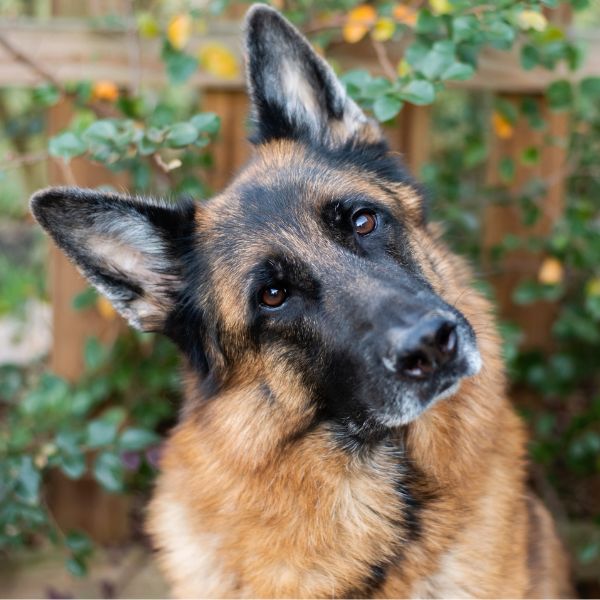
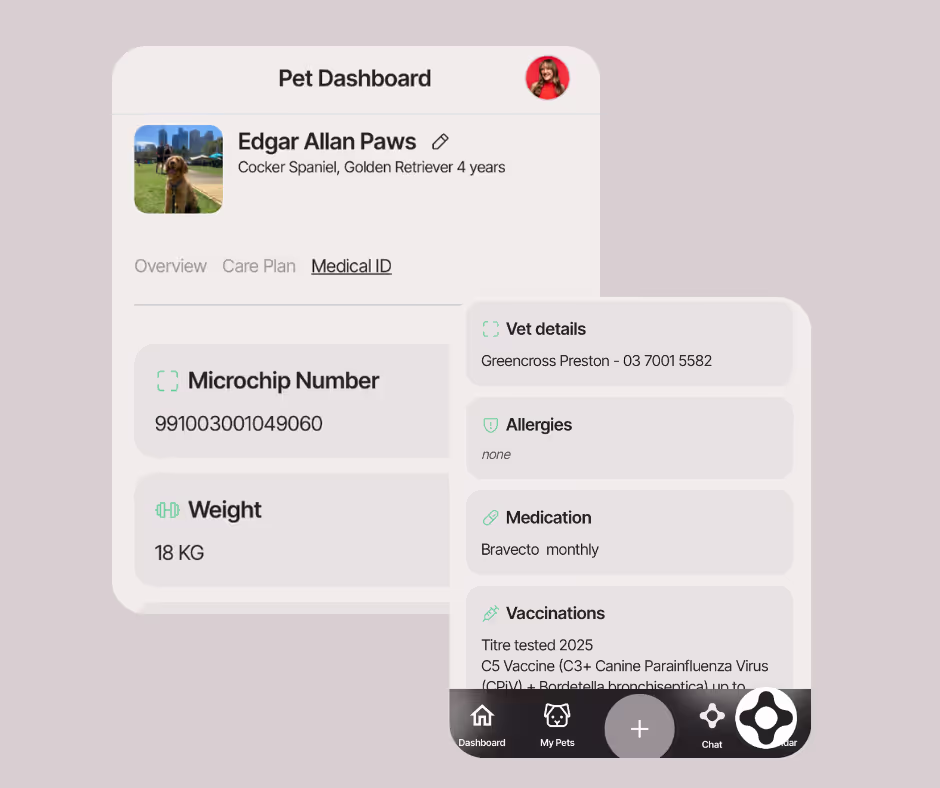
Track, learn, and act with confidence. From monthly medication reminders to analysing blood results, Blueprint gives you one trusted platform to manage your dog’s health and support a longer, healthier life.
Neurological & Spinal Function
GSDs carry a genetic risk for spinal cord degeneration. Monitoring hind-limb coordination helps spot early shifts in function years before weakness sets in.
Hip Structure & Stability
Their unique build and movement make them prone to loose hip joints. Monitoring gait development during growth is critical to preventing early wear and protecting long-term mobility.
Digestive Enzyme Efficiency
A breed-linked autoimmune condition often affects enzyme production. Tracking digestive consistency and gut flora allows you to catch enzyme decline early, before weight loss or chronic issues surface.
Track, learn, and act with confidence. From monthly medication reminders to analysing blood results, Blueprint gives you one trusted platform to manage your dog’s health and support a longer, healthier life.

Slight scraping of back nails or mild knuckling on turns are specific biological signals of early spinal changes, appearing long before visible weakness.
Hesitating before jumping or needing a moment to stabilise after exercise isn't just fatigue; it's an early marker of hip instability.
Recurring soft stools or appetite shifts often signal declining enzyme output long before critical weight loss occurs. Blueprint tracks these patterns to catch EPI early.
GSDs are prone to low-grade inflammation. Tracking these silent drift markers helps you catch gut or joint issues before symptoms flare.
Sitting to one side ('lazy sit') or frequently shifting weight while standing are early behavioural clues of joint load imbalance or discomfort.

Go beyond the breed
Total clarity
We concierge your dog's clinical records into one secure vault, interpreting their history to show you exactly what’s changing over time.
Actionable prevention
Receive clear, dynamic next steps, from nutrition tweaks to medical reminders that help you stay proactive against [Breed] risks.
Biological optimisation
We don’t just track numbers; we help you strengthen their unique biology to prevent disease and secure more good years.
More breeds, Decoded



Easy as 1, 2, 3.
How it works.
Register and set your date
Sign up your pre-desexed puppy with Elita Genetics. We’ll confirm your pet’s eligibility and verify your vet’s details with you. Book an appointment with your vet to discuss the best timing for your dog’s desexing procedure and inform them you’ll be storing their cells with Elita Genetics.
Once you’ve confirmed the desexing date, let us know, and we’ll coordinate directly with your vet to ensure they have all the necessary collection information.
Procedure day
24 hours before surgery, we’ll confirm with you and your vet that everything is ready to go. Elita Genetics will deliver the collection kit to your vet ahead of the procedure. Follow your vet’s instructions for dropping off your pet.
During the procedure, your vet will collect a small fat sample. We’ll arrange secure transport to bring the sample to our lab for processing.

Process and store
Our scientists will process your pet’s sample to ensure it meets the quality and quantity needed for future treatments. Once processed, your pet’s stem cells are safely stored in our secure biobank.We’ll conduct regular quality checks to ensure your pet’s stem cells are ready whenever they’re needed for treatment.

