
Commonly known as

Track, learn, and act with confidence. From monthly medication reminders to analysing blood results, Blueprint gives you one trusted platform to manage your dog’s health and support a longer, healthier life.
Immune System & Skin Barrier
Inheriting atopic traits from both Poodle and Lab lines, Labradoodles are prone to immune hyper-reactivity. Proactive management of the microbiome is critical to preventing chronic dermatitis.
Joint Structure & Growth
Rapid growth phases and active temperaments create a risk for joint instability. Monitoring movement development is essential to prevent early cartilage wear in hips and elbows.
Metabolic & Thyroid Health
Labradoodles can inherit thyroid vulnerability. Tracking metabolic shifts allows you to catch hormonal drift early, preserving energy levels before weight gain occurs.
Track, learn, and act with confidence. From monthly medication reminders to analysing blood results, Blueprint gives you one trusted platform to manage your dog’s health and support a longer, healthier life.

Rising inflammatory signals often indicate emerging immune activation months before the first itch or ear infection.
Tiny reductions in push-off force or reluctance to jump are early movement markers of joint laxity and cartilage stress.
Subtle dips in energy or heat sensitivity can be early metabolic markers of thyroid shift, appearing before lethargy.
Intermittent head shaking or faint yeasty smells mark the earliest phase of atopic ear disease, signaling risk long before infection.
Recurring soft stools often signal immune-gut imbalance. Tracking these fluctuations identifies allergy risks early.

Go beyond the breed
Total clarity
We concierge your dog's clinical records into one secure vault, interpreting their history to show you exactly what’s changing over time.
Actionable prevention
Receive clear, dynamic next steps, from nutrition tweaks to medical reminders that help you stay proactive against [Breed] risks.
Biological optimisation
We don’t just track numbers; we help you strengthen their unique biology to prevent disease and secure more good years.
More breeds, Decoded
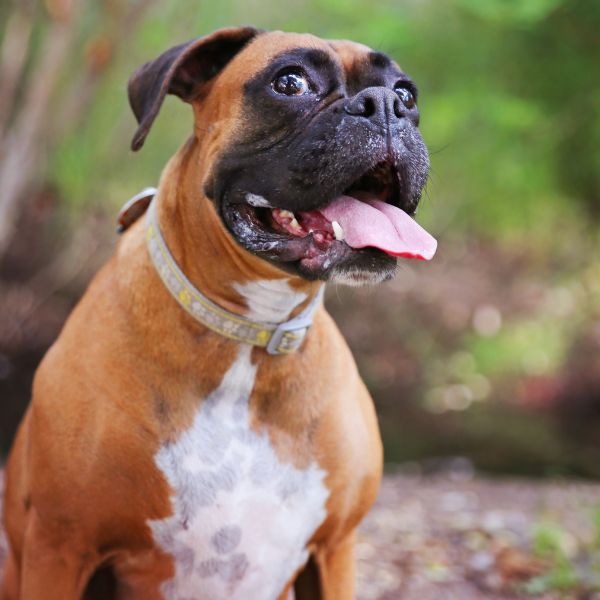


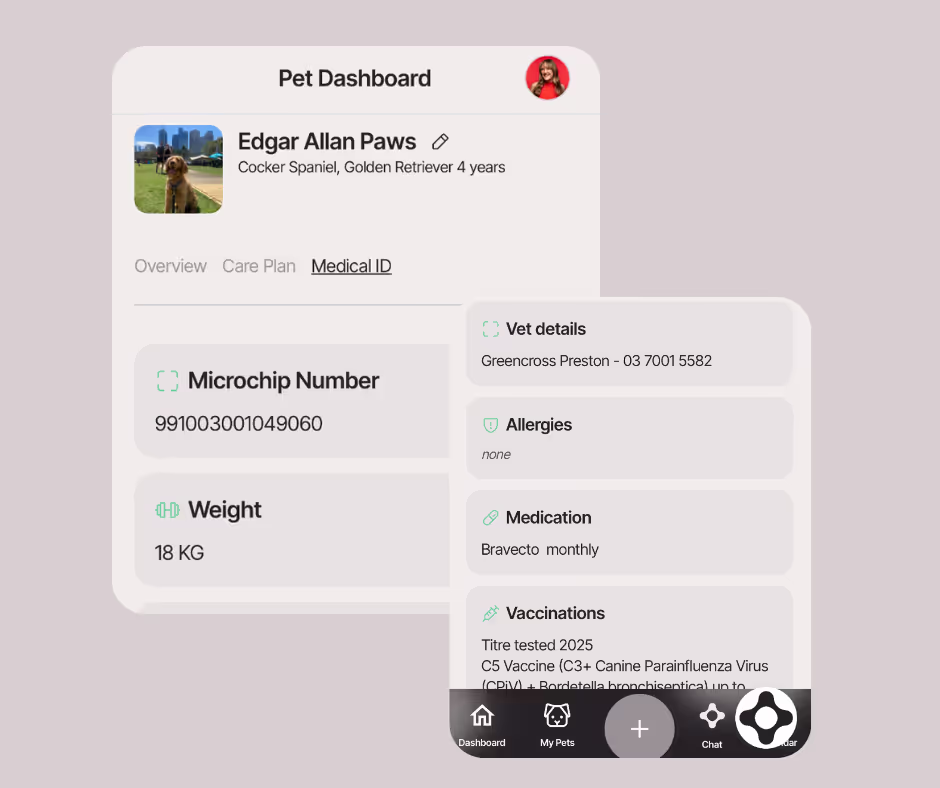


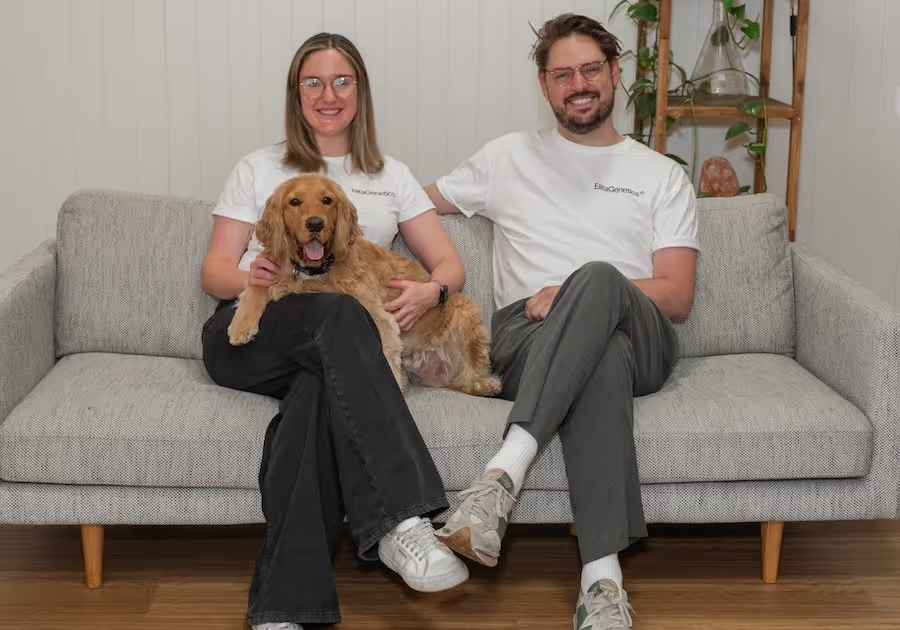
Easy as 1, 2, 3.
How it works.
Register and set your date
Sign up your pre-desexed puppy with Elita Genetics. We’ll confirm your pet’s eligibility and verify your vet’s details with you. Book an appointment with your vet to discuss the best timing for your dog’s desexing procedure and inform them you’ll be storing their cells with Elita Genetics.
Once you’ve confirmed the desexing date, let us know, and we’ll coordinate directly with your vet to ensure they have all the necessary collection information.
Procedure day
24 hours before surgery, we’ll confirm with you and your vet that everything is ready to go. Elita Genetics will deliver the collection kit to your vet ahead of the procedure. Follow your vet’s instructions for dropping off your pet.
During the procedure, your vet will collect a small fat sample. We’ll arrange secure transport to bring the sample to our lab for processing.

Process and store
Our scientists will process your pet’s sample to ensure it meets the quality and quantity needed for future treatments. Once processed, your pet’s stem cells are safely stored in our secure biobank.We’ll conduct regular quality checks to ensure your pet’s stem cells are ready whenever they’re needed for treatment.

