Arthritis tablets for dogs, explained in plain English

Arthritis tablets for dogs, explained in plain English
When your dog pauses before standing, hesitates at stairs, or turns back early on a walk, it is hard not to worry. Most owners start searching for one thing. What tablet will actually help, and what is safe?
The helpful answer is that "arthritis tablets" usually means a few different options. The safest path is knowing which category you are using — then tracking changes, so you are not guessing.
What “arthritis tablets” really means
Most "arthritis tablets" fall into two categories. The first is prescription pain relief and anti-inflammatory tablets — these are about comfort now, helping your dog move more normally, which also protects muscle and joint stability over time. The second is joint supplement tablets or chews , these work over weeks to months and are about longer-term support. They don't replace proper pain relief in a dog that's clearly sore.
Fast relief usually comes from prescription medication. Lasting progress comes from a plan that combines both with good home habits.
Prescription arthritis pain tablets, plus the key safety rules
For osteoarthritis, prescription NSAIDs are often the first medication used. These are anti-inflammatory pain relief tablets made specifically for dogs.
Common examples include carprofen, meloxicam, firocoxib, and deracoxib. What's available depends on your country. The best choice also depends on your dog's age, medical history, and any other medications they're on.
When an NSAID is a good fit, many owners notice small wins first. Getting up looks easier. Morning stiffness eases. Walks get a little longer, and your dog seems more like themselves.
NSAIDs are a well-established first-line option for canine osteoarthritis pain management. As with any longer-term medication, periodic monitoring helps balance benefit against risk — particularly in older dogs or those with other health conditions.
Side effects to watch for early
The most common side effects are gastrointestinal, appetite changes, vomiting, or loose stools. With extended use, some dogs benefit from periodic bloodwork to check kidney and liver function. Your vet will advise on the right monitoring schedule for your dog.
Other prescription tablets that may be added
Some dogs need more support, or cannot use NSAIDs. In those cases, pain-modulating tablets such as gabapentin or amantadine may be added. These can help some dogs feel more comfortable, but they are not a cure for arthritis. A common trade-off is sleepiness, especially at the start or after dose changes.
Safety rules that prevent common mistakes
Never give your dog ibuprofen, paracetamol, aspirin, or any human pain relief unless explicitly directed by your vet. Human NSAIDs can cause stomach ulcers and serious kidney injury in dogs, even at low doses. The same applies to doubling up on prescription dog NSAIDs without guidance.
The biggest safety mistakes happen when medications get mixed. Always tell your vet everything your dog is currently taking before starting something new.
Get urgent veterinary help if you notice any of these:
Building a long-term plan (supplements, home habits, and tracking)
Tablets work best when the rest of life supports sore joints. If you want fewer flares and steadier movement, think "whole plan," not "one product."
Joint supplement tablets, how to choose without wasting money
Supplements are not the same as pain relief. They may help some dogs, but results are often slower and milder, and most need weeks of consistent use before you'd expect to see a change.
Common ingredients include:
Start one supplement at a time, give it a fair trial, and track what you notice. Cycling through multiple products at once means you won't know what's helping — or what's causing a problem if something does.
Evidence for joint supplements varies considerably by ingredient and product quality. That's more useful than cycling through products hoping something sticks.
A note on stem cell banking
Stem cell therapy is an growing treatment option for canine arthritis — thousands of dogs globally are already being treated, with strong results for reducing joint inflammation and supporting tissue repair.
The earlier you store your dog's cells, the better. Stem cells collected from a young, healthy dog are significantly more viable than those collected later in life, which means banking now keeps more options open down the track. You can store your dog's stem cells with Elita, check if they qualify here.
Home habits that make tablets work better
A few simple changes often make a big difference.
Weight control: If your dog is carrying extra weight, even a small loss can reduce joint load. It is one of the most cost-effective ways to improve comfort.
Low-impact, steady movement: Short daily walks often beat one big weekend walk that triggers a flare. Consistency matters more than distance.
Home setup: Add traction on slippery floors. Use ramps for cars and sofas if jumping hurts. Offer warm, supportive bedding.
It also helps to notice common triggers. Cold weather, sudden big exercise days, and slippery floors catch many dogs out.
Tracking makes the difference
Arthritis is a pattern problem. Good days and bad days happen, and change can be gradual — easy to miss without notes.
For the next two weeks, keep a simple mobility diary. Each day, give a quick score from 0 to 5 for:
- Getting up from rest — how much effort, any hesitation
- Gait on the walk — stiffness, limping, favouring a leg
- Stair use — willing, hesitant, or refusing
- Willingness to exercise — initiated movement, or needed encouragement
- Overnight rest — settled, or restless and changing position frequently
Tracking helps you see whether a tablet is helping, whether side effects are creeping in, and whether the plan needs adjusting.
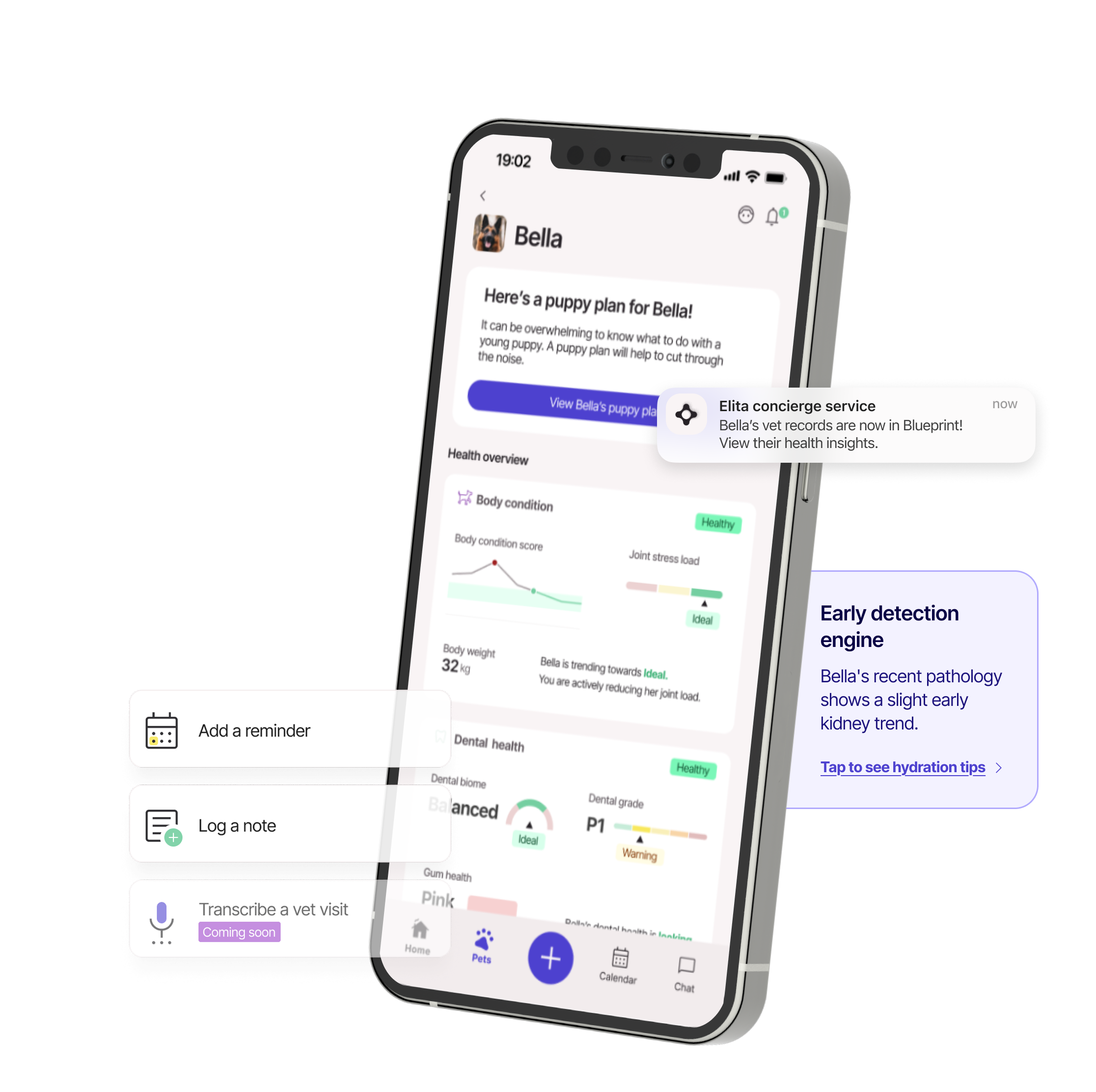
Arthritis tablet decisions get easier when you can see patterns, not just today's limp. Blueprint helps you capture the small changes that matter — stiff mornings, post-walk soreness, flare triggers. Over time, that turns "I think it's worse" into a clear story you can share at appointments.
If you've already done tests or tried a tablet before, that's still useful data. Add it to Blueprint, keep your two-week diary going, and you'll feel a lot less stuck in trial and error.

Your dog’s health, made simple.
Feel confident in every decision you make for your dog’s health. All the personalised support you need, finally in one place.