Why do dogs eat grass? A calm guide for worried owners
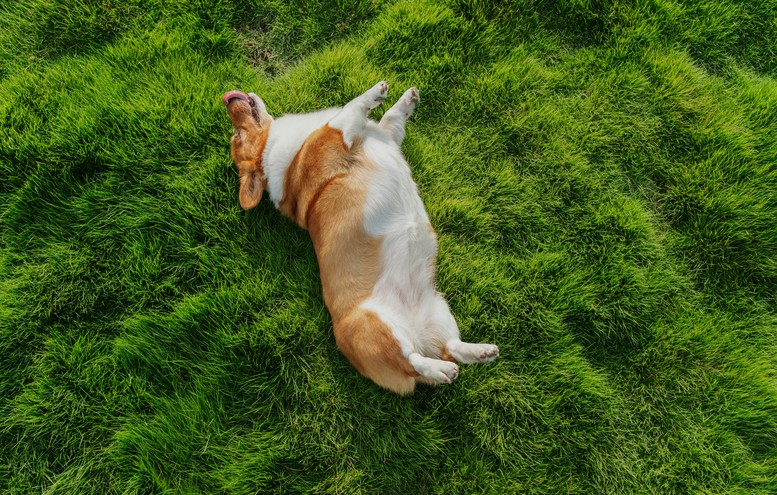
If your dog suddenly starts munching grass on a walk, it is easy to wonder if something is wrong. Most of the time, grass eating is a normal dog behaviour.
The key is the pattern around it. How often it happens, how intense it looks, and what happens afterwards matter more than the grass itself.
Is grass eating normal for dogs?
Yes. Many healthy dogs eat grass sometimes, and most are not sick when they do it.
One well known study found that grass and plant eating was common in pet dogs, and vomiting after was not the norm. Many dogs ate plants, but only a small percentage vomited often. That supports what many vets see in real life. Grass eating can be normal behaviour, not a sign of illness on its own.
What you want to watch is the “whole picture”:
- Frequency: Is it occasional, or every walk?
- Intensity: A few nibbles, or frantic gulping?
- After effects: Normal afterwards, or vomiting, diarrhoea, pain, or tiredness?
- Environment: Unknown lawns, parks with high dog traffic, or treated grass?
Fresh grass can smell interesting and feel good to chew. Young, tender grass can be especially tempting.
The most common reasons dogs eat grass (plain English)
Dogs usually do not have one single reason. It can be a mix, and it can change over time.
1) They like the taste or texture
Fresh grass can smell interesting and feel good to chew. Young, tender grass can be especially tempting.
2) Curiosity and normal scavenging
Dogs explore with their noses and mouths. Grass can be part of that “what is this?” behaviour, especially on a new route.
3) Boredom or stress on walks
Some dogs graze when the walk is slow or repetitive. Others do it when they feel a bit overwhelmed, and it becomes a self-soothing habit.
Clues include grass eating in the same spot every day, or mostly when they are standing around waiting.
4) Hunger or long gaps between meals
If your dog is consistently grazing before breakfast or late afternoon, meal timing is worth looking at. But it's also worth considering what they're eating, not just when. Dogs on lower-fibre, highly processed diets can experience more gut discomfort between meals. If this pattern is regular, it's a signal worth tracking rather than ignoring.
5) Mild nausea, especially on an empty stomach
Some dogs eat grass when they feel a bit queasy — often first thing in the morning, or after a long overnight fast. A common pattern is yellow foam vomit, then they're fine. Occasional and isolated, probably not a concern. Regular and recurring, your dog's gut is telling you something. Chronic morning nausea in dogs can be linked to bile irritation, microbiome imbalance, or diet — all worth exploring with a vet who takes a whole-body view.
6) They seem to want more rough, plant-like material
Grass is rough plant fibre. Some dogs seek it out because their diet doesn't provide much of it. This doesn't automatically mean a deficiency — but it's worth noting that dogs on fresh, whole-food diets tend to graze less compulsively than those on highly processed food. If your dog is a consistent grazer, diet quality is a reasonable place to look.
7) They have learned it gets your attention
If grass eating makes you react every time, some dogs repeat it because it works. Not because they are being naughty. If you chase them, scold them, or tug the lead, it can accidentally turn into a game.
Why do some dogs eat grass and then throw up?
This is the part that worries most owners. Vomiting can happen in two different ways, and they can look similar.
Possibility 1: The grass irritated the stomach
If your dog gulps grass quickly, it can irritate the stomach and trigger vomiting. Fast eating can also increase gagging and coughing. This is more likely in dogs who “vacuum” grass in big mouthfuls.
Possibility 2: They already felt nauseous, then chose grass
In some dogs, the nausea came first. Grass eating just happens around the same time. That is why stories online are mixed. Some dogs vomit after grass, many do not.
A simple monitor vs act guide
Monitor for now if:
- It is a one off vomit
- Your dog is bright and normal afterwards
- They can keep water down
- No diarrhoea, no ongoing retching, no obvious pain
Get same day help if:
- Vomiting repeats, or they cannot keep water down
- They are lethargic or clearly uncomfortable
- You see blood, or black, tarry poop
- They keep coughing or gagging after eating grass
- Their belly looks swollen, or they retch with nothing coming up
A swollen belly plus repeated retching with nothing coming up can be a sign of bloat, which needs emergency care.
The real risks (it is usually not the grass itself)
Most problems linked to grass eating are really “what came with the grass.”
Lawn chemicals
Fertilisers, herbicides, and pesticides can sit on grass blades. Risk can be higher right after treatment, but you cannot always tell by looking. If you walk past very bright green lawns, shared yards, or public ovals, assume treatment is possible unless you know otherwise.
Slug and snail bait, and other outdoor toxins
Dogs can pick up toxins in gardens and parks, including residues. If your dog suddenly has vomiting, drooling, wobbliness, or tremors after a walk, treat it as serious and get help quickly.
Parasites and contaminated areas
Grass in high dog traffic areas can be contaminated with faeces even if you cannot see it. That can increase exposure to intestinal parasites.
Toxic plants mixed into lawns
The danger is not only grass. Weeds and garden plants can hide in lawns, especially near fences and overgrown corners. If your dog is a grazer, it helps to learn what grows in your yard.
Foxtails and grass awns (in some regions and seasons)
Dry seed heads can cause problems if they get stuck in the mouth, nose, ears, or paws. If your dog suddenly sneezes repeatedly, paws at their face, or seems distressed after sniffing grass, keep it on your radar.
What to do today (and how to reduce grass eating safely)
You do not need to “win” against grass. You just want to make it safer and work out what is driving it for your dog.
On walks, reduce risk first
Try these simple rules:
- Avoid unknown lawns, especially the very green ones
- Do not let your dog graze where you see lawn treatment signage
- Stick to areas you trust, or use treats to keep moving
- Watch for dry seed heads in warmer months
If your dog is determined, a basket muzzle can be a kind, temporary safety tool for some dogs. It needs proper fitting and gentle training. It is not for every dog.
Teach “leave it” for grass snacking
This is one of the most useful life skills you can teach.
Keep it simple:
- Start at home with a boring item on the floor
- Reward the moment they look away from it
- Build up slowly to outside, then to grass
Use a high value reward outdoors, because grass is already rewarding.
Slow down frantic gulpers
If your dog gets mouthfuls down fast, the risk goes up. Shorten the lead near tempting grass and keep the walk moving.
If they do grab some, try not to panic. Stay calm, guide them forward, and trade for a treat.
Check the basics at home
Grass eating often makes more sense when you look at the whole day — and the whole diet.
Quick check:
- Meal timing: long gaps can line up with morning nausea
- Diet quality: highly processed food with low fibre can contribute to gut discomfort
- Treats and chews: new items can upset some dogs
- Stool: soft poop, straining, or mucus is a clue your gut health picture needs attention
- Morning yellow foam: note how often it happens and whether it's getting more frequent
If you change anything, change one thing at a time.
Give them a better outlet than grazing
Many grass eaters are bored eaters.
Easy swaps:
- Sniff walks where your dog can smell, not snack
- Two minutes of simple training during the walk
- Food puzzles at home
- Scatter feeding in the yard with their normal kibble
Keep parasite prevention on track
If your dog grazes in public spaces, parasite prevention matters more. Your vet can advise on the right schedule for your dog's lifestyle — and if you're using Blueprint, it's worth logging it there so nothing slips between visits.
A simple 2 week tracking plan
If grass eating is happening a lot, do this for two weeks. It is quick, and it often makes the pattern obvious.
Each day, jot down:
- Time of day grass eating happened
- Where it happened
- How intense it was, nibble or hoover
- When they last ate
- Any vomiting, diarrhoea, or “off” behaviour after
- Any new treats, chews, or diet changes
You are not trying to catch them out. You are trying to spot what comes first.
Quick FAQ
Is it normal for dogs to eat grass?
Yes. Many healthy dogs do it sometimes. The pattern and what happens after matters most.
Why does my dog eat grass and vomit?
Sometimes grass irritates the stomach, especially if gulped fast. Sometimes your dog felt nauseous first.
Should I stop my dog eating grass on walks?
It is a good idea to limit it in unknown areas. The bigger risk is lawn chemicals, parasites, and hidden plants.
Why is my puppy suddenly eating grass?
Puppies explore with their mouths. It can also be hunger, routine, or a mild upset tummy. Watch for vomiting or diarrhoea.
Can grass make my dog sick?
Grass itself is usually not the main issue. What is on the grass, or mixed in with it, is the bigger concern.
How Blueprint helps you stop guessing
Grass eating is rarely a one time mystery. It is usually a pattern. It might happen on an empty stomach, after certain treats, or only in one park.
Blueprint helps you keep those details in one place, so the story is clearer over time. If you do end up needing professional help, that simple timeline makes it much easier to explain what changed first, and what tends to happen next.

Your dog’s health, made simple.
Feel confident in every decision you make for your dog’s health. All the personalised support you need, finally in one place.