Why your dog is drinking water but not eating (and what to do next)
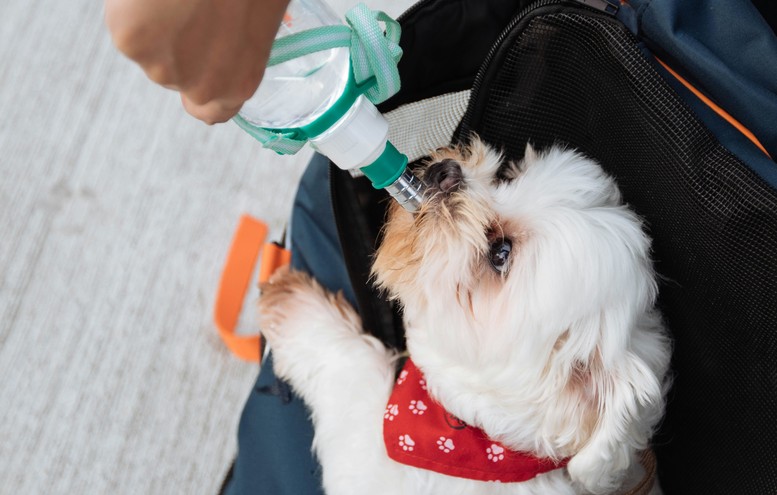
Your dog is drinking water normally but has stopped eating. It is a specific combination, and it is one that deserves attention. Here is what it can mean and what to d
Is this actually a warning sign?
Yes, more so than drinking alone or not eating alone. When a dog is drinking water but refusing food, it usually rules out a few simpler explanations.
A dog who is severely unwell often stops doing both. A dog who is just being picky might skip food but show no other changes. A dog who is drinking but not eating is somewhere in between, and often has something physicalgoing on that is reducing their appetite while leaving their thirst drive intact.
It is not always serious. But it is worth taking seriously.
Common causes
Nausea
Nausea is one of the most common reasons a dog will drink but not eat. A nauseous dog often feels thirsty, but the idea of food is unappealing or actively uncomfortable. Signs of nausea include lip licking, swallowing repeatedly, grass eating, drooling, and restlessness.
Stomach upset or gastroenteritis
An inflamed stomach or intestinal upset can reduce appetite while leaving the dog otherwise functional. You may also see vomiting, diarrhoea, or a gurgling stomach. Mild cases often resolve in 24 to 48 hours.
Dental pain
If eating hurts, dogs stop eating. But they can still drink. Check if your dog flinches when you touch their muzzle, drops food, or chews on one side. Bad breath, drooling, or pawing at the mouth are also signs.
Kidney disease or urinary issues
Increased thirst combined with reduced appetite can be a sign of kidney disease, especially in older dogs. Kidney disease often increases thirst as the kidneys try to compensate. This is one worth checking with a vet, particularly if your dog is middle-aged or senior.
Diabetes
Diabetes can cause increased thirst alongside changes in appetite. You might also notice more frequent urination, weight loss, or a change in energy. A blood and urine test can confirm this.
Addison’s disease (hypoadrenocorticism)
Addison’s is sometimes called “the great pretender” because it mimics many other conditions. Symptoms can include reduced appetite, lethargy, vomiting, and weakness. Some dogs with Addison’s drink more. It is not common, but it is worth knowing about.
Liver disease
Liver issues can reduce appetite and cause increased thirst. Other signs might include a yellow tinge to the whites of the eyes or gums, a distended belly, or darker urine.
Infection or systemic illness
Many infections and illnesses suppress appetite while leaving thirst intact. If your dog has a fever, seems lethargic, or has other symptoms alongside not eating, an infection may be part of the picture.
Pain from an injury or internal source
A dog in pain will often stop eating. Pain from a pulled muscle, joint issue, or internal problem can suppress appetite without necessarily affecting water intake.
What to check at home before calling the vet
How long has this been going on?
One missed meal with normal drinking is less concerning than 24 to 36 hours of no food alongside other symptoms. Use time as one of your markers.
Check their gums
Press a finger gently on the gum and release. The colour should return to pink within two seconds. Pale, white, yellow, or tacky gums are red flags. Call immediately if you see these.
Is there vomiting or diarrhoea?
Even once matters. The combination of not eating, increased drinking, and vomiting or diarrhoea raises the level of concern.
How is their energy?
A dog who is skipping food but is otherwise alert, responsive, and interested in the world is different from a dog who is withdrawn, flat, or reluctant to move.
Any changes in urination?
More urination than usual alongside more drinking points toward a kidney, hormonal, or metabolic issue. Keep an eye on this.
Any known access to toxins?
Grapes, raisins, certain plants, medications, xylitol. If there is any chance your dog got into something, mention it when you call.
When to call the vet (and when to go now)
Call your vet if:
- Your dog has not eaten for 24 hours or more
- Thirst seems notably higher than normal
- You notice more urination than usual
- Your dog is lethargic or seems uncomfortable
- There is any vomiting or diarrhoea alongside the food refusal
- Your dog is a senior, a puppy, a small breed, or has an existing health condition
Go now if:
- Pale, white, or yellow gums
- Collapse or weakness
- Signs of significant pain
- Distended belly
- You suspect toxin ingestion
- Your dog seems to be deteriorating quickly
What to do while you monitor
If your dog is otherwise bright and you are in the early monitoring phase:
- Keep fresh water available at all times
- Do not force food
- Try a small portion of bland food to see if they will take it. Plain pumpkin with boiled turkey or chicken is a gentle option. Note: chicken is one of the more common protein sensitivities in dogs, so if there's any known or suspected intolerance, turkey or a novel protein is the better call. Plain pumpkin alone is also a reasonable starting point.
- Note the time they last ate, the last time they drank, and any other symptoms
- Watch for changes, up or down
Do not try to solve this with a different food, treats, or hand feeding for more than one attempt. If they turn down high-value food, that is a more significant signal than turning down their regular kibble.

Your dog’s health, made simple.
Feel confident in every decision you make for your dog’s health. All the personalised support you need, finally in one place.