Are dog microbiome tests accurate, and how reliable are the results
Dog microbiome tests can be accurate in identifying microbial DNA present at a point in time, but accuracy does not always equal clarity, especially without longitudinal data or clinical context.

Why accuracy improves when results are viewed in context, not isolation
Accuracy in gut health assessment isn’t just about laboratory precision; it’s about interpretation. Even highly detailed test results can be misleading if they’re viewed without context. A result may appear concerning on paper but reflect a temporary change rather than a true imbalance.
Context provides meaning. Knowing what was happening around the time of testing, such as diet changes, stress, illness, or medication use, helps explain why results look the way they do. Without this information, it’s easy to overinterpret normal variation or miss emerging trends.
When results are viewed alongside historical health data, accuracy improves substantially. Comparing outcomes over time and against symptoms allows owners and vets to distinguish between short-term fluctuations and patterns that warrant closer attention.
Why accuracy depends on how results are interpreted over time
Accuracy in gut health assessment is not just about the test itself, it’s about interpretation. Even precise data can be misleading if it’s taken out of context or viewed without reference points.
Interpreting results over time provides calibration. Changes can be compared against previous baselines, symptoms, and known events, helping distinguish between transient variation and sustained imbalance. This reduces the risk of unnecessary intervention or misplaced concern.
When results are interpreted longitudinally, accuracy improves in a practical sense. Decisions are guided by trends rather than isolated findings, supporting care that is measured, evidence-informed, and focused on long-term health.
How to avoid overreacting to results while still acting early
It’s natural to want to act quickly when results suggest something is off, but overreacting can sometimes cause more harm than good. Gut systems are dynamic, and short term fluctuations don’t always indicate a problem that needs intervention.
Acting early doesn’t mean acting urgently. It means paying closer attention, tracking changes, and giving your dog time to show whether something is persistent or self resolving. This balanced response protects against both neglect and unnecessary treatment.
When results are viewed alongside real world context and trends, owners can intervene earlier, with greater confidence, and far less guesswork.

Interpret results with confidence
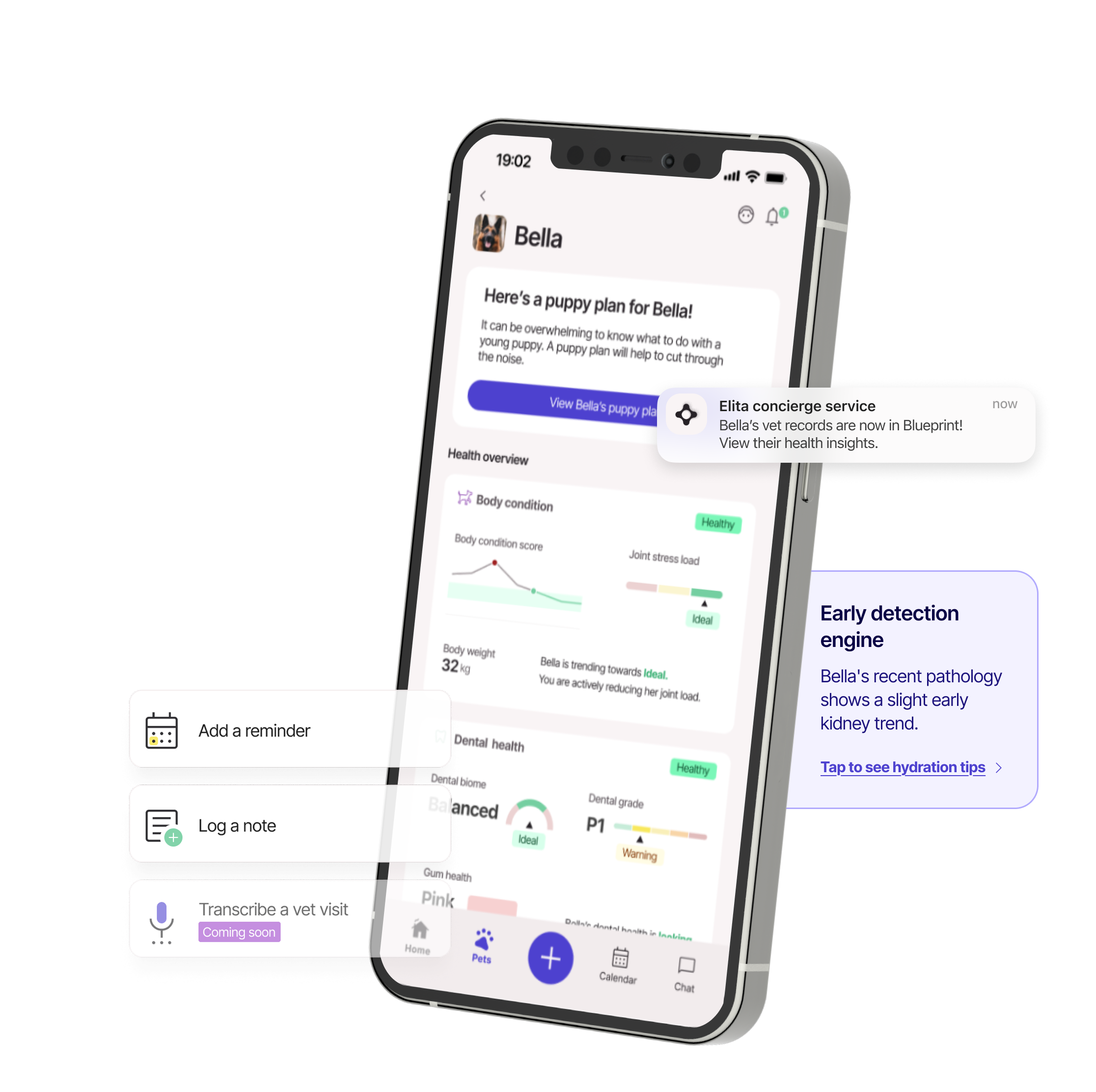
“Accurate” doesn’t always mean “actionable”. Blueprint helps you view results alongside your dog’s history and current signs, so you can avoid overreacting and still act early when it matters.