Are gut microbiome tests worth it for dogs, benefits and limitations
Whether gut microbiome tests are worth it for dogs depends on how results are used, they can inform decisions, but only when combined with broader health information rather than treated as definitive answers.
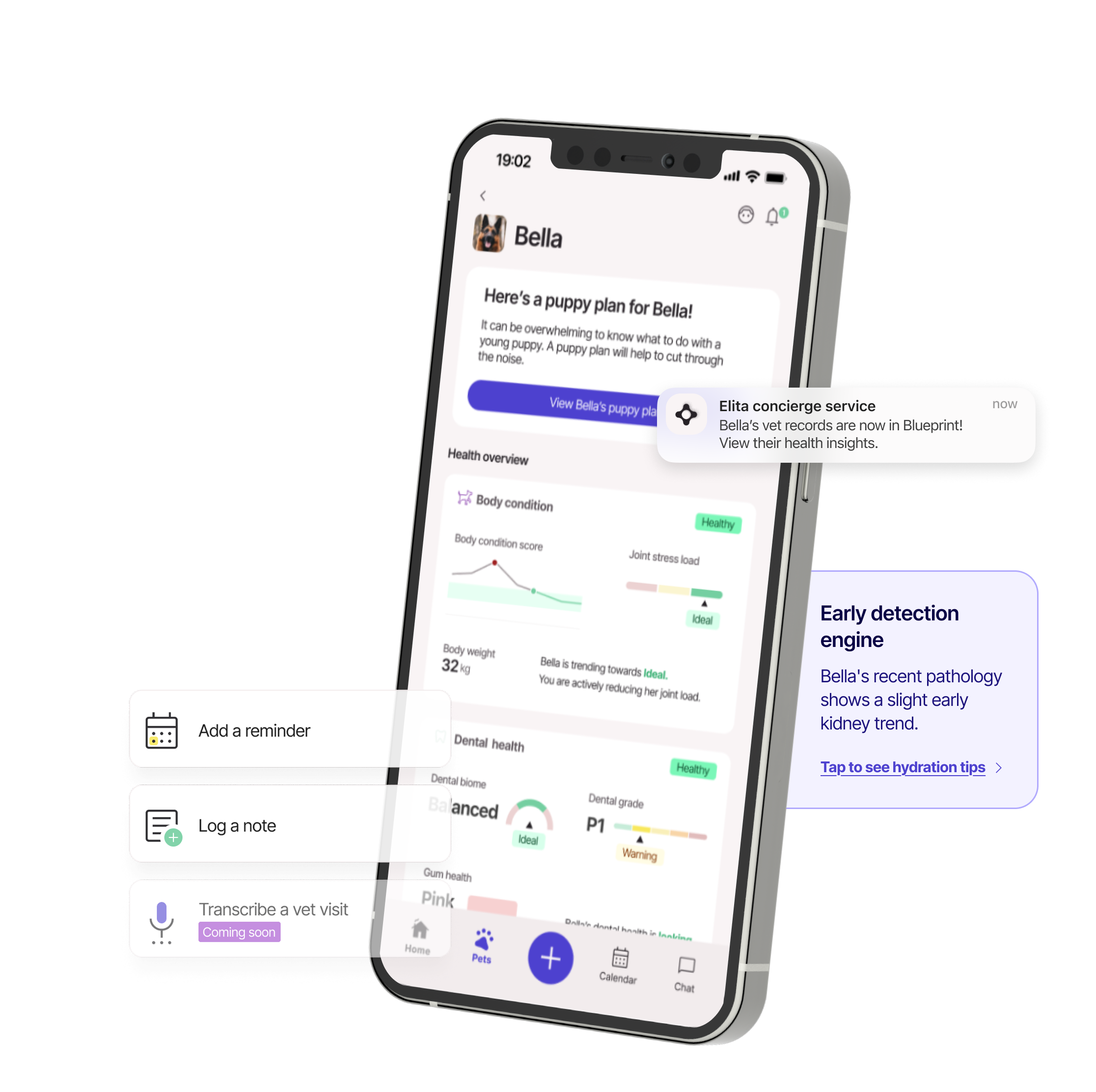
How gut tests add the most value when combined with longitudinal health data
Gut tests can provide valuable insight when they’re used as part of a broader health picture rather than as standalone answers. On their own, test results show what the gut looked like at a single point in time, but they don’t capture whether those findings are improving, worsening, or remaining stable.
When gut test data is layered onto longitudinal health records, its value increases significantly. Being able to compare results with historical symptoms, dietary changes, medication use, and environmental factors helps explain why results appear as they do and how they evolve. Patterns that aren’t obvious from a single report become clearer when viewed across time.
This approach supports more thoughtful decision-making. Instead of reacting to isolated findings, owners and vets can assess whether changes align with real-world improvements or ongoing issues, allowing gut tests to inform care rather than drive it in isolation.
Why gut testing is most valuable as part of a broader health strategy
Gut testing can be a valuable tool, but its real strength lies in how it’s used, not in the result alone. When tests are treated as definitive answers, they can lead to narrow conclusions or reactive decisions that don’t reflect the full health picture.
As part of a broader health strategy, gut tests provide context rather than conclusions. They help inform understanding when paired with observations of digestion, skin, behaviour, appetite, environment, and routine. This broader view makes it easier to assess whether test findings align with real-world changes or sit outside a dog’s typical baseline.
Using gut testing strategically allows it to support long-term decision-making. Instead of driving isolated interventions, results contribute to an ongoing understanding of health, helping owners and vets prioritise stability, prevention, and resilience over short-term fixes.
How to decide if testing is right for your dog right now
Gut testing can be useful in some situations, but it isn’t automatically the right first step for every dog. It tends to add the most value when there’s a clear question you’re trying to answer, such as recurring digestive issues, skin flare-ups that haven’t responded to simple changes, or patterns that suggest something more than a short-term upset.
Equally important is whether you have enough context to interpret the results. Without symptom history, diet records, or an understanding of what’s changed over time, a test can be hard to act on meaningfully. In many cases, spending time tracking health first helps clarify whether testing is likely to inform next steps or whether observation and gradual adjustments are more appropriate right now. The goal is relevance, not urgency.

Decide if testing is worth it for your dog
The right question isn’t “should I test?”, it’s “will this change what we do next?”. Blueprint helps you build enough clarity to decide whether testing will add value right now, or whether tracking and simple adjustments come first.