Understanding the canine gut microbiome and why it matters for lifelong health
The canine gut microbiome refers to the complex community of bacteria, fungi, and other microorganisms living in a dog’s digestive tract, playing a central role in digestion, immune regulation, metabolism, and even behaviour across their lifetime.
How gut health fits into your dog’s broader health picture over time
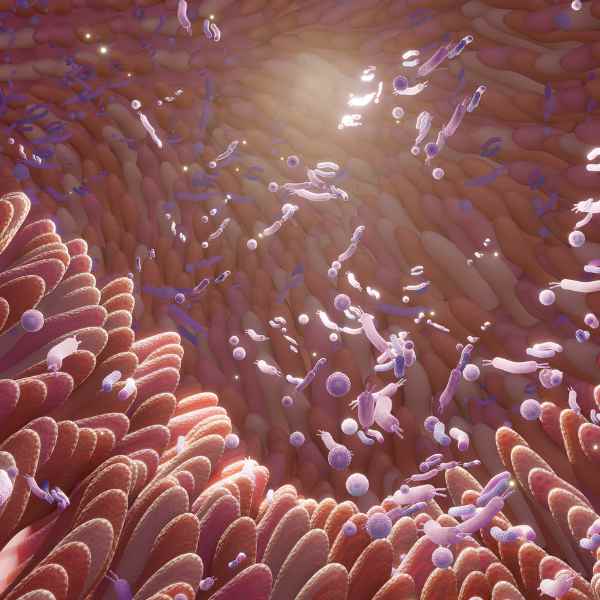
The canine gut microbiome functions as a living ecosystem, made up of trillions of microorganisms that interact with the digestive tract, immune system, and nervous system. In healthy dogs, this ecosystem helps break down food, produce essential metabolites, regulate inflammation, and support immune tolerance. Rather than being “good” or “bad” in isolation, microbial balance depends on diversity, stability, and how well the system adapts to change.
What makes the gut microbiome particularly important is how closely it responds to everyday life. Diet shifts, stress, medications such as antibiotics, illness, ageing, and environmental exposure can all alter microbial balance, sometimes gradually, sometimes abruptly. These changes don’t happen in isolation, they often show up alongside subtle changes in behaviour, skin, appetite, or energy.
Because the gut microbiome is dynamic, understanding it requires context. Viewing gut health as part of a broader health picture, rather than a standalone result, helps explain why longitudinal tracking and historical records are so valuable when interpreting changes over time.
Why gut health needs to be viewed as an ongoing system, not a one-off insight
Gut health operates as a system, not a static state. The microbial environment in a dog’s gut is constantly responding to inputs such as diet, stress, medications, illness, and age. A single snapshot can show what’s present at a moment in time, but it can’t explain whether that state is stable, improving, or moving in the wrong direction.
This is why gut health is better understood through trends rather than isolated measurements. Subtle shifts often happen gradually, long before they trigger obvious symptoms. Without continuity, these early signals are easy to miss or misinterpret.
Taking a systems view means recognising that meaningful insight comes from seeing how gut health changes in relation to everyday life. When data, observations, and timing are viewed together, gut health becomes something you can understand and manage proactively rather than reactively.
Gut health as a low effort lever for longevity
Gut health is one of the most practical places to focus when thinking about long term health. Because the gut influences digestion, immunity, inflammation, and nutrient absorption, small improvements can have outsized effects over time. Unlike many aspects of health, gut support often doesn’t require invasive intervention or dramatic change.
The goal is resilience, not just stability. A truly healthy gut needs exposure to diverse fibers and proteins to feed a wide spectrum of beneficial bacteria. By prioritizing consistent habits alongside dietary variety, you create an internal environment that can handle disruption. These small, cumulative actions are often what separate reactive care from preventative care.
When gut health is treated as part of everyday wellbeing rather than a problem to solve, it becomes a low effort way to support resilience, comfort, and longevity across a dog’s life.

Canine gut microbiome: what it is and why it matters for long term health
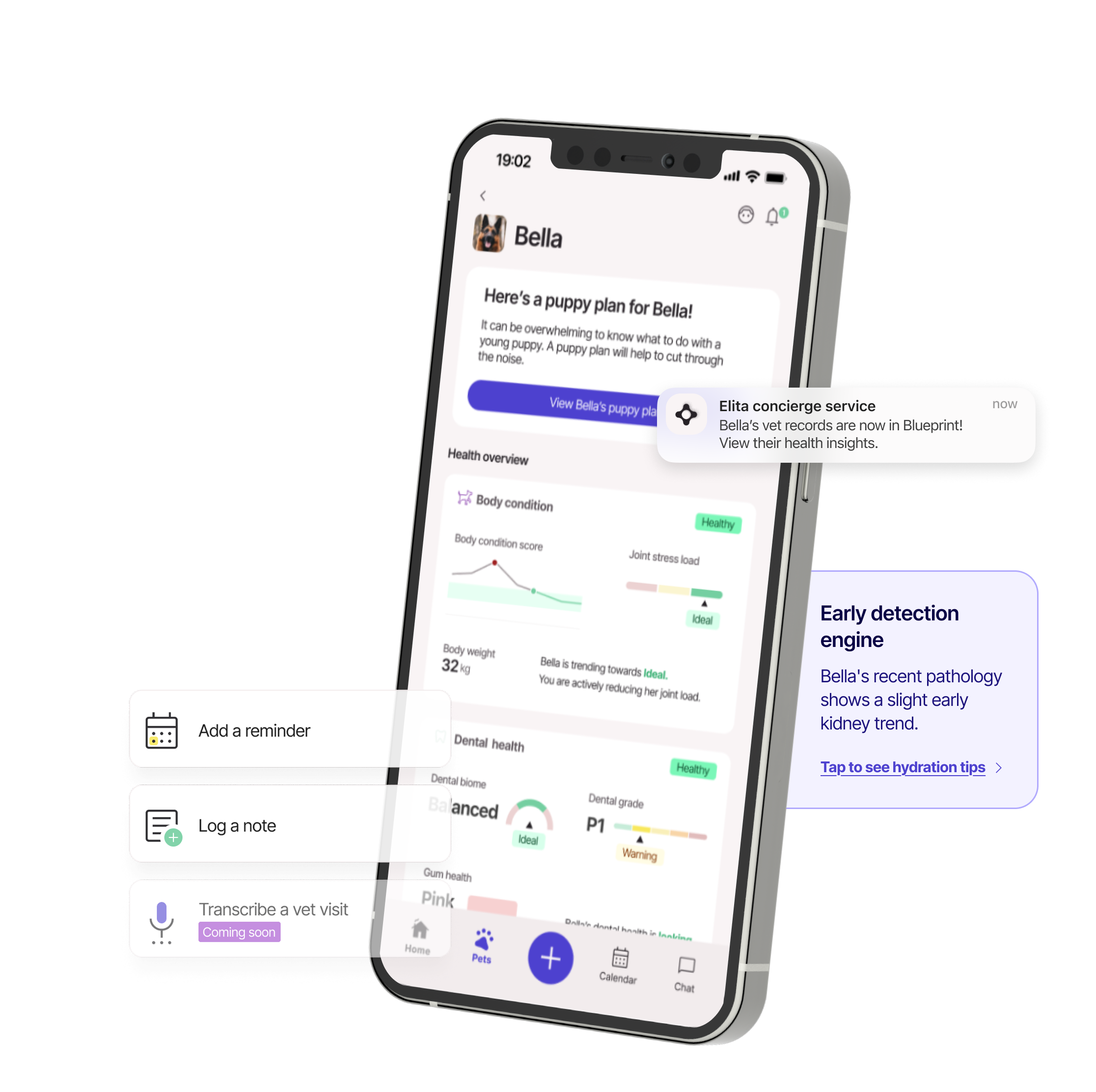
Gut data is only useful when it has context. Blueprint brings your dog’s symptoms, diet changes, supplements, vet history, and any test results into one clear health timeline, so you can spot patterns earlier and make calmer decisions over time.