Dog gut health by age, what changes from puppy to senior
A dog’s gut changes significantly across their lifespan. Puppies are still developing their microbiome, adults tend to have more stability, and older dogs often experience shifts linked to immunity, inflammation, and metabolic change. These age-related differences mean gut health needs to be interpreted differently depending on life stage. What’s considered normal for a growing puppy may not be for a senior dog, making age an important lens when assessing digestive symptoms or test results.
How gut function shifts as dogs move through different life stages
Gut health is not static across a dog’s life. Puppies are still developing their microbiome, heavily influenced by early diet, environment, and immune maturation. During adulthood, the gut tends to stabilise, though it remains responsive to stress, diet changes, and medications. In senior dogs, shifts in digestion, immunity, and inflammation can alter microbial balance again.
These life-stage changes matter because the same symptom can mean different things at different ages. Loose stools in a puppy may reflect development, while the same pattern in a senior dog may signal declining resilience or chronic inflammation. Understanding gut health through the lens of age helps prevent overreaction in some cases and underreaction in others, particularly when interpreting test results or deciding on next steps.
What “normal” gut health looks like at different ages
Normal gut health isn’t static across a dog’s life. Puppies often experience fluctuations as their microbiome develops, adults tend to have more stability, and seniors may show increased sensitivity to dietary or environmental changes. Understanding what’s age-appropriate helps prevent unnecessary intervention while still identifying when something is genuinely off track.
This is where longitudinal tracking becomes particularly valuable. Comparing today’s symptoms to your dog’s own baseline, rather than a generic reference range, makes it easier to tell whether a change is expected or worth investigating. Over time, this builds a more accurate picture of resilience and vulnerability at each life stage.
Supporting gut resilience across your dog’s entire lifespan
Gut resilience isn’t built by keeping everything the same, it’s built by teaching the system how to adapt. A healthy gut is one that can respond to change, including dietary variety, without tipping into ongoing imbalance.
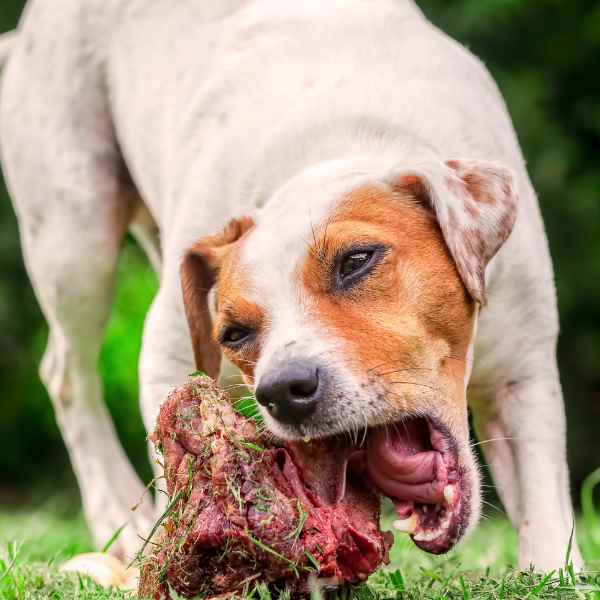
From a biological perspective, exposure to diverse fibres and protein sources helps support a broader, more flexible microbial ecosystem. This is why many fresh and raw feeding approaches focus on variety over time, rather than rigid repetition. The role of tracking isn’t to limit change, but to make change visible, so you can see what strengthens resilience and what pushes the gut too far.
Across a dog’s life, from puppyhood through to senior years, the goal is the same: support a gut that can handle new inputs, recover efficiently, and signal early when something isn’t working. That’s how resilience is built, not by avoiding change, but by understanding response.

Support gut resilience at every life stage
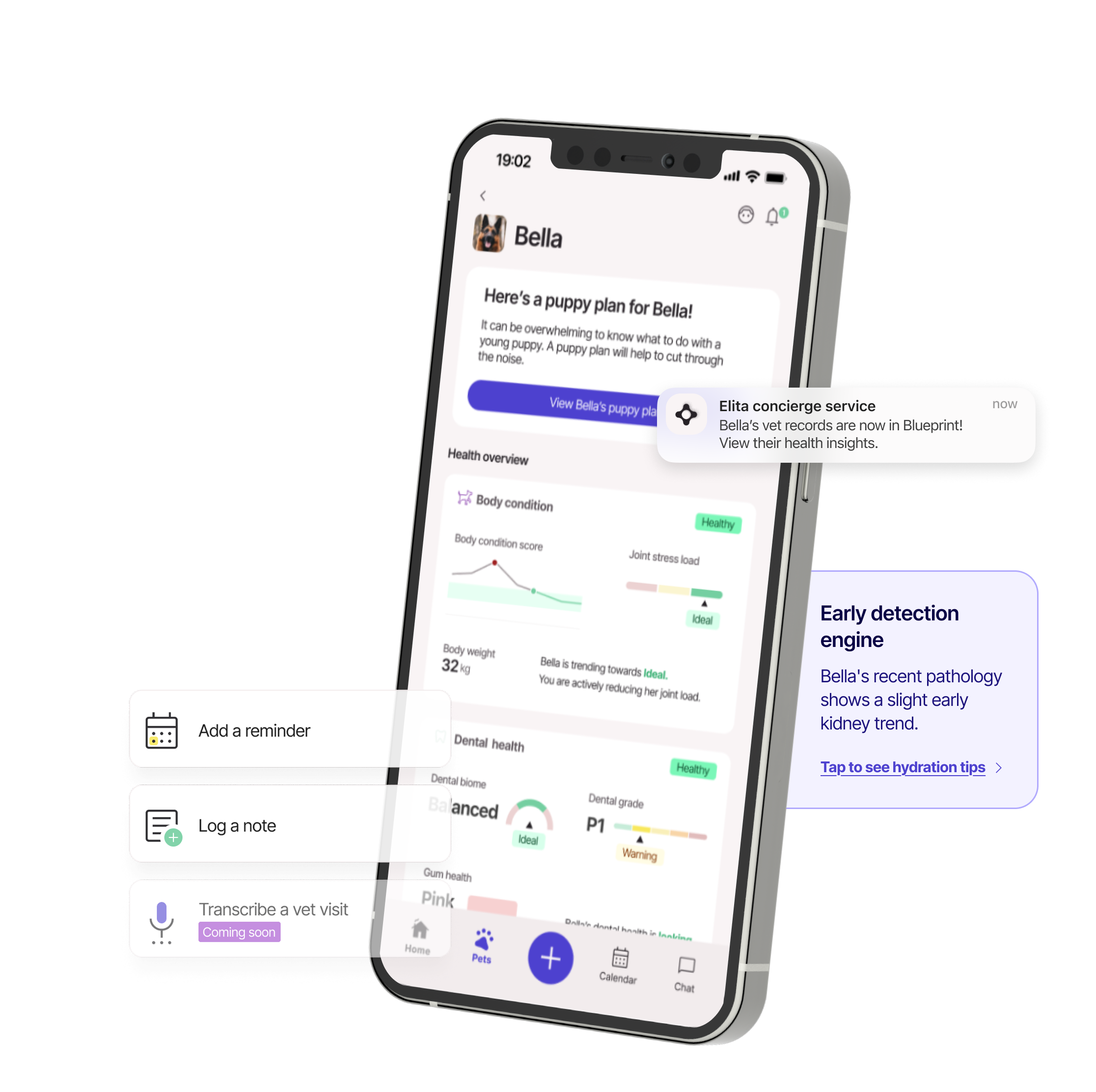
A resilient gut is built through thoughtful variety and clear feedback over time. Blueprint helps you track diet changes, new proteins, fibre additions, and your dog’s response, across digestion, skin, energy, and behaviour. The result is a calmer, more confident way to support long-term gut health from puppyhood through to senior years.