Dog gut microbiome tests, what they measure and how to interpret them
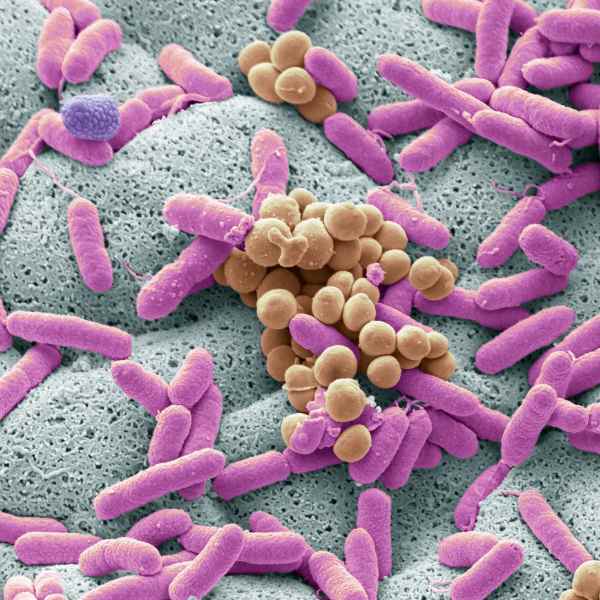
A dog gut microbiome test analyses the types and relative abundance of microorganisms in a stool sample, offering a snapshot of gut composition that needs careful interpretation alongside diet, symptoms, and history.
Where microbiome test results sit within your dog’s full health history
A dog gut microbiome test analyses microbial DNA from a stool sample to identify which organisms are present and their relative abundance at that moment in time. These tests can provide insight into microbial diversity and highlight imbalances compared to reference populations, offering a useful snapshot of gut composition.
However, microbiome test results are inherently time-specific. They don’t capture how the gut arrived at that state or whether the findings reflect a temporary fluctuation or a longer-term trend. Without context such as recent diet changes, medications, illness, or stress, results can be difficult to interpret accurately.
For this reason, microbiome testing works best when integrated into a broader health record. When test data is viewed alongside symptoms, lifestyle factors, and historical changes, it becomes far more meaningful. Storing and revisiting results over time allows patterns to emerge, supporting better-informed decisions rather than reactive responses.
Why test results are only useful when paired with real world health context
Test results provide data, but data alone doesn’t tell a story. Without understanding what was happening around the time of testing, such as recent diet changes, stress, illness, or medication use, results can be difficult to interpret accurately.
For example, a microbial imbalance may reflect a short-term disruption rather than a persistent issue. Without context, it’s impossible to know whether the finding represents a baseline concern or a temporary response to recent events.
Pairing test results with real world health information transforms them from abstract data into meaningful insight. When results are viewed alongside symptoms, routines, and historical changes, they become far more useful in guiding thoughtful, proportionate decisions.
How diet changes can help, and how to do them safely
Diet has a direct and powerful influence on the gut microbiome, but changes need to be made thoughtfully. Sudden shifts in food can disrupt gut balance and worsen symptoms, even when the intention is to improve health.
Gradual transitions allow the gut time to adapt. Introducing changes slowly, observing how your dog responds, and avoiding multiple adjustments at once makes it easier to understand what’s helping and what isn’t. This approach reduces confusion and lowers the risk of unintended consequences.
Diet works best when it’s treated as an ongoing input rather than a one-off solution. Tracking responses over time helps ensure changes are genuinely supportive rather than simply coincidental.

Make test results actually useful
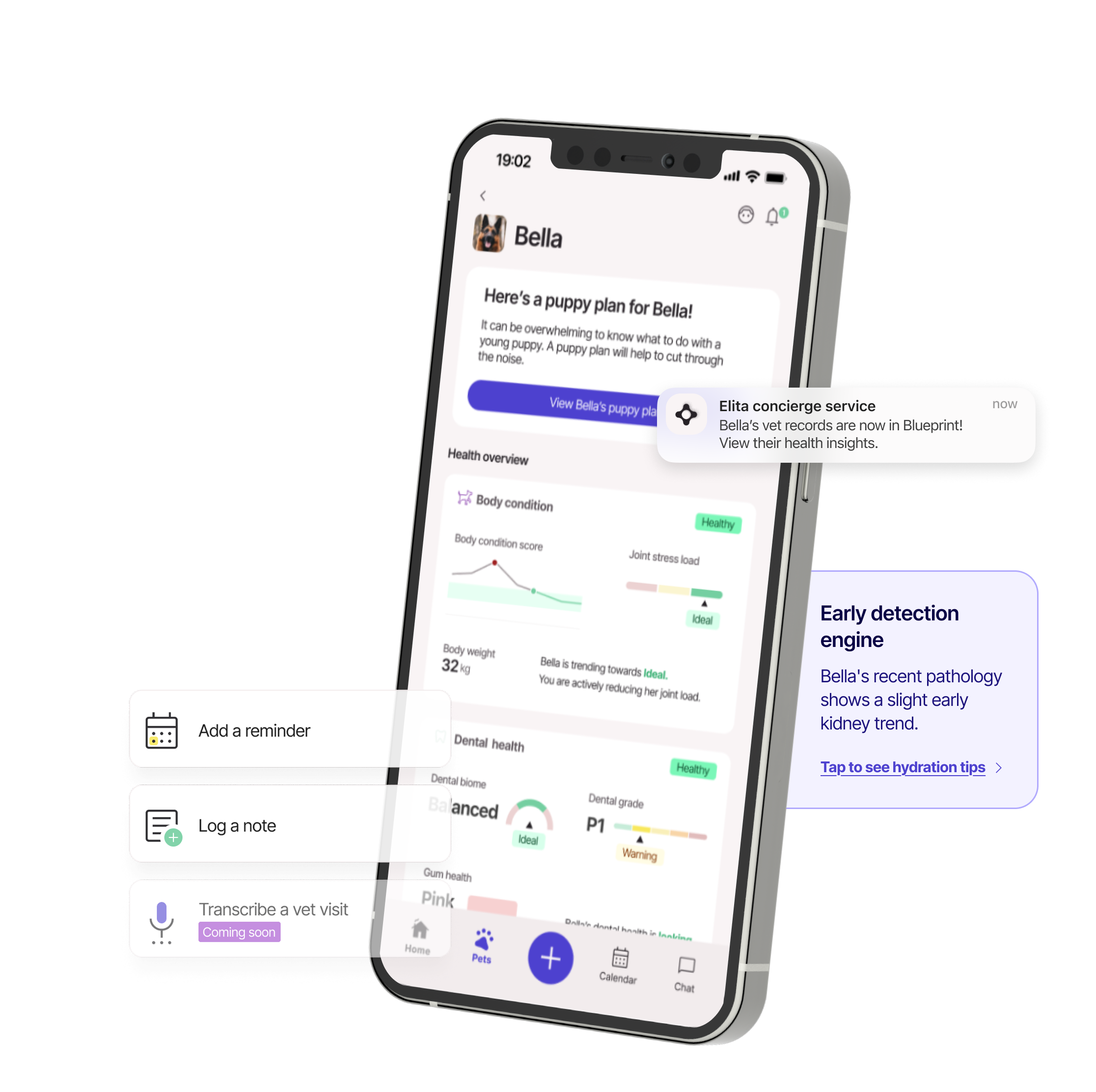
If you’ve already done a microbiome test, great, upload it to Blueprint and keep it alongside the rest of your dog’s health record. When results sit next to real-world symptoms and history, you and your vet can interpret them with far more confidence.