Dog gut microbiome tests in Australia, what to expect and how to use results
Dog gut microbiome tests are now available in Australia and usually involve collecting a small stool sample at home and sending it to a lab for analysis. The report typically summarises microbial diversity and relative abundance, sometimes alongside diet or supplement suggestions. These results can be a useful input, especially when paired with your dog’s real-world signs, digestion, skin, energy, and even behaviour, because gut function is closely linked to immune regulation and the gut-brain axis. The most important part is using the results as context for better decisions, rather than treating them as a standalone answer.

What Australian gut microbiome tests typically analyse
Most gut microbiome tests available in Australia analyse bacterial DNA extracted from a stool sample. The output usually focuses on relative abundance, showing which bacterial groups are present and how they compare within that individual sample. Some reports also include broad measures of diversity or compare results to a reference population.
What these tests generally do not measure is function, how active those bacteria are, how they’re interacting with the gut lining, or how they’re influencing immune or nervous system pathways. This distinction matters. Two dogs can have similar-looking microbiome profiles but very different symptoms and health trajectories. That’s why microbiome data becomes far more meaningful when paired with observable health inputs such as digestion, skin changes, behaviour, and response to diet.
How to use Australian test results alongside symptoms and history
Australian microbiome test results become far more useful when they’re read in the context of what your dog is actually experiencing. A report may highlight bacterial groups linked to digestion or inflammation, but without symptom history it’s difficult to know whether those findings are relevant or incidental.
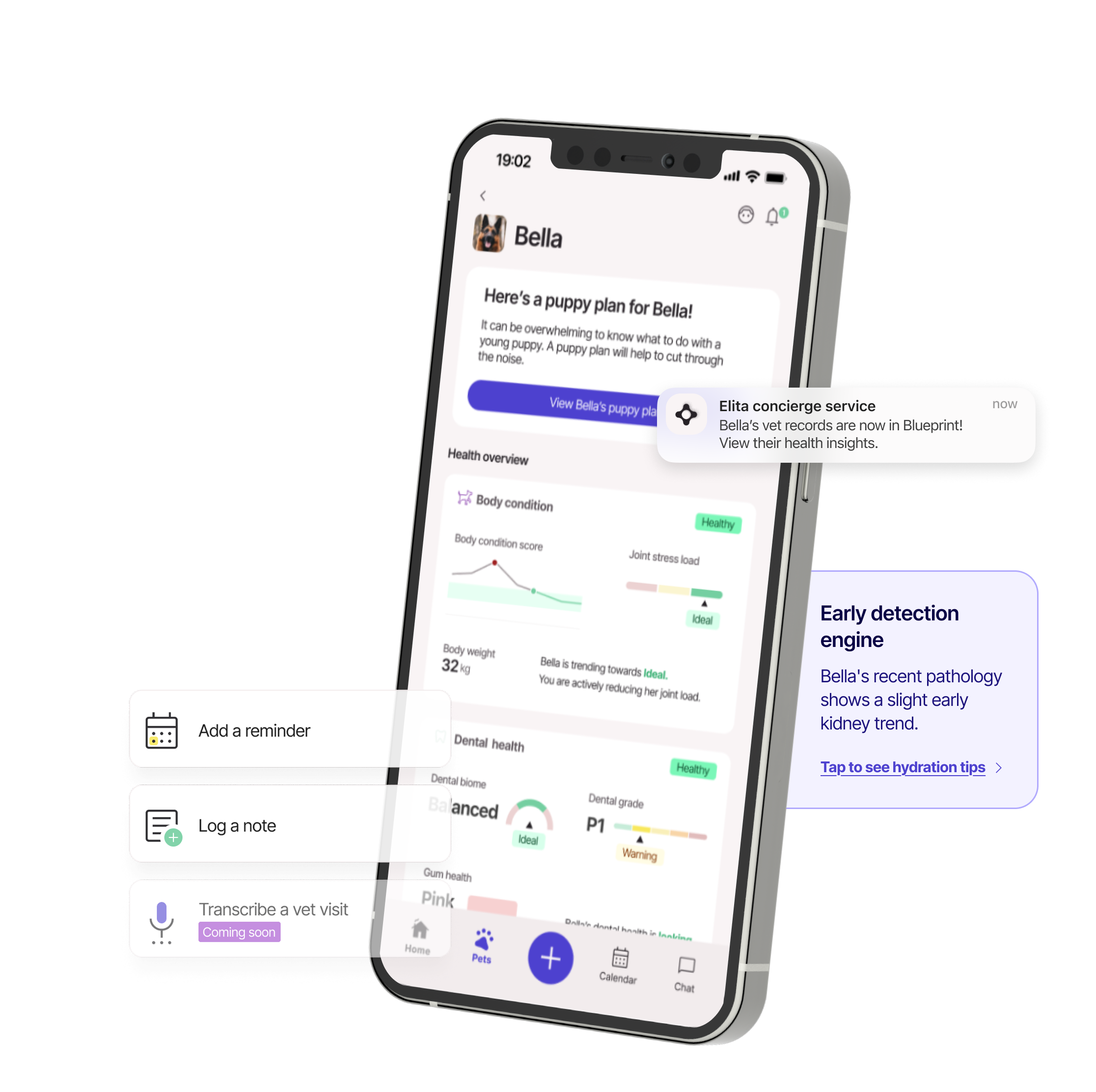
Pairing results with records of stool changes, appetite, skin flare ups, behaviour shifts, medications, and life events allows patterns to emerge. For owners who have already completed testing, uploading reports into Blueprint keeps those results connected to the broader health story, making it easier to see how findings align with real-world changes over time and to bring clearer context into vet conversations.
Using gut data to support whole body health, not just digestion
The gut influences far more than digestion alone. It plays a role in immune regulation, inflammatory balance, and communication with the nervous system. Changes in gut health can show up as skin issues, behavioural shifts, or changes in energy long before digestive symptoms become obvious.
Using gut data within a whole body framework allows these connections to be recognised earlier. When gut insights are considered alongside broader health observations, they support more proactive care, helping owners address underlying drivers rather than isolated symptoms.

Use microbiome results in context, not isolation
A resilient gut is built through thoughtful variety and clear feedback over time. Blueprint helps you track diet changes, new proteins, fibre additions, and your dog’s response, across digestion, skin, energy, and behaviour. The result is a calmer, more confident way to support long-term gut health from puppyhood through to senior years.