Dog probiotics vs microbiome tests, what’s different and when each helps
Probiotics and microbiome tests serve different purposes. Probiotics introduce specific strains of bacteria intended to support gut function, while microbiome tests assess what’s already present in the gut at the time of sampling. Testing can help inform whether a probiotic trial is worth considering, but it doesn’t automatically tell you which product will help or how your dog will respond. Because gut changes can influence digestion, immunity, and even behaviour via the gut brain axis, both probiotics and testing work best when used thoughtfully, with monitoring over time, rather than as quick fixes or one-off interventions.

How probiotics and testing play different roles in gut health support
Probiotics and microbiome testing are often discussed together, but they serve very different purposes. Testing helps describe what’s present in the gut, while probiotics are an intervention intended to influence that environment. One informs, the other acts.
The challenge is that response to probiotics varies widely between dogs. What helps one dog may have little effect on another, depending on existing microbiome balance, diet, age, and overall health. Using probiotics without context can lead to trial-and-error cycles, while testing without observation can lead to overinterpretation. When combined with symptom tracking and longitudinal health data, both tools can be used more intentionally, supporting gut health decisions that are measured, responsive, and grounded in real-world outcomes.
When probiotics help, when they don’t, and how to monitor properly
Probiotics can be helpful in certain situations, such as after antibiotic use or during periods of digestive disruption, but they’re not universally beneficial and don’t work the same way for every dog. Some dogs respond quickly, others show no change, and some may experience worsening symptoms if a product isn’t well matched.
Monitoring response matters more than the product itself. Tracking stools, appetite, skin, behaviour, and tolerance over time helps determine whether a probiotic is supporting gut balance or simply adding noise. This measured approach reduces unnecessary cycling between supplements and allows adjustments to be made based on evidence rather than assumption.
Building a calm, evidence based approach to gut support
The strongest gut health strategies are calm, informed, and flexible. They’re grounded in evidence, but not rigid. They prioritise resilience over restriction and observation over fear.
By combining biological insight with real-world tracking, owners can support dietary variety, adapt care as their dog ages, and respond early when something shifts. This approach reduces reactivity and builds confidence, allowing gut health to be supported in a way that’s sustainable, empowering, and aligned with how dogs actually live.

Know when probiotics help, and how to track response
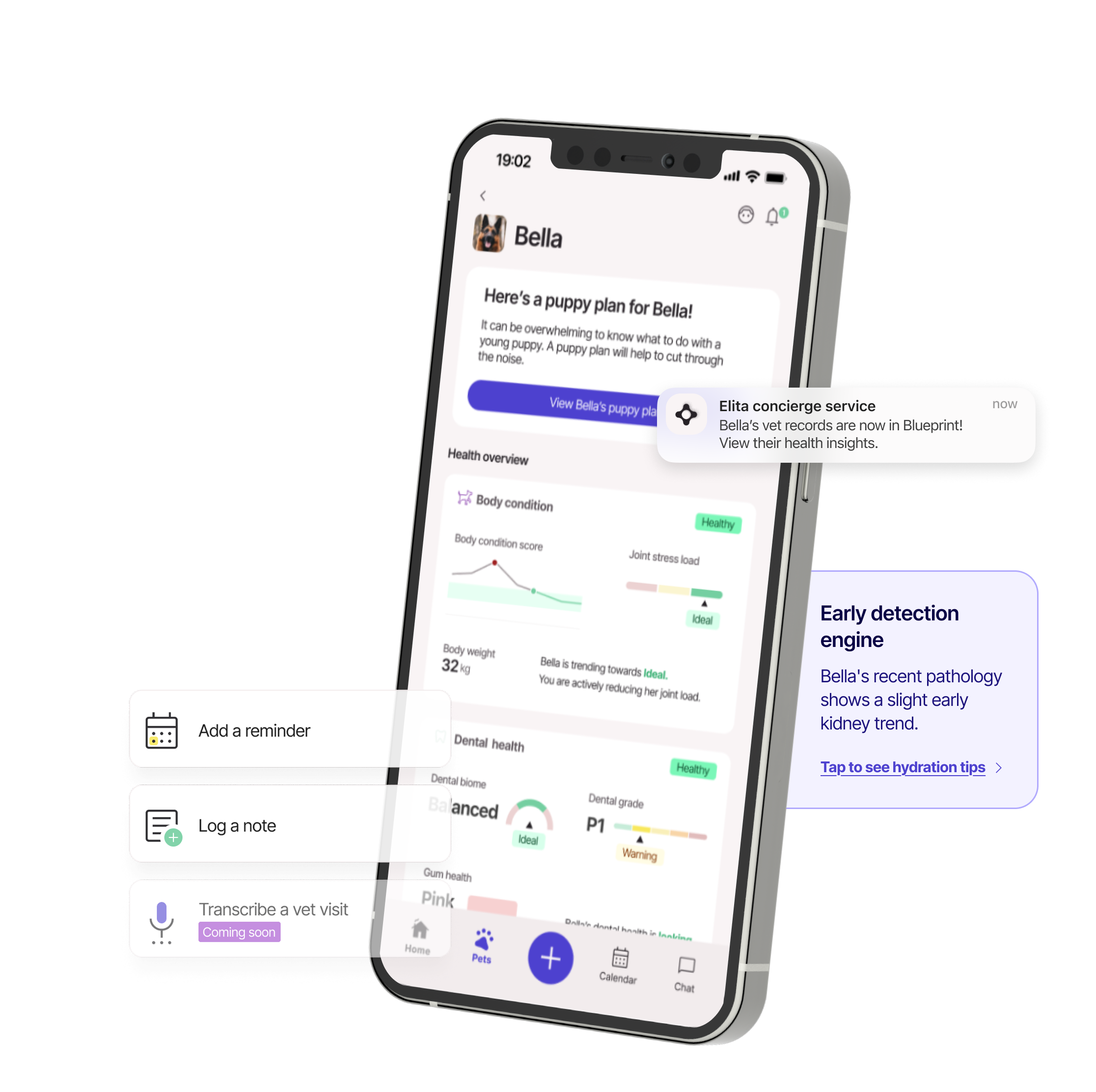
Probiotics can be helpful, but only when they’re actually working for your dog. Blueprint makes it easy to track how digestion, stool quality, skin, energy, and behaviour respond after introducing a probiotic, so you’re not relying on guesswork. This kind of clear feedback helps you decide whether to continue, adjust, or stop, and supports a calmer, evidence-based approach to gut support.