Dog resting heart rate: a vital sign of pain and fitness
We rarely check our dog’s pulse unless we’re worried, but resting heart rate (RHR) is one of the most useful trend indicators of overall health. It can offer insight into cardiovascular fitness, stress, and physiological strain, including pain. Dogs experiencing chronic discomfort, such as early arthritis, may show a subtly elevated resting heart rate due to ongoing stress on the body. Knowing your dog’s personal baseline allows you to spot these invisible changes before they show up as limping or behavioural shifts.
Normal ranges and how to check
Heart rate varies significantly by size and age. A Great Dane might rest around 60 beats per minute (bpm), while a Chihuahua could naturally sit closer to 140 bpm.
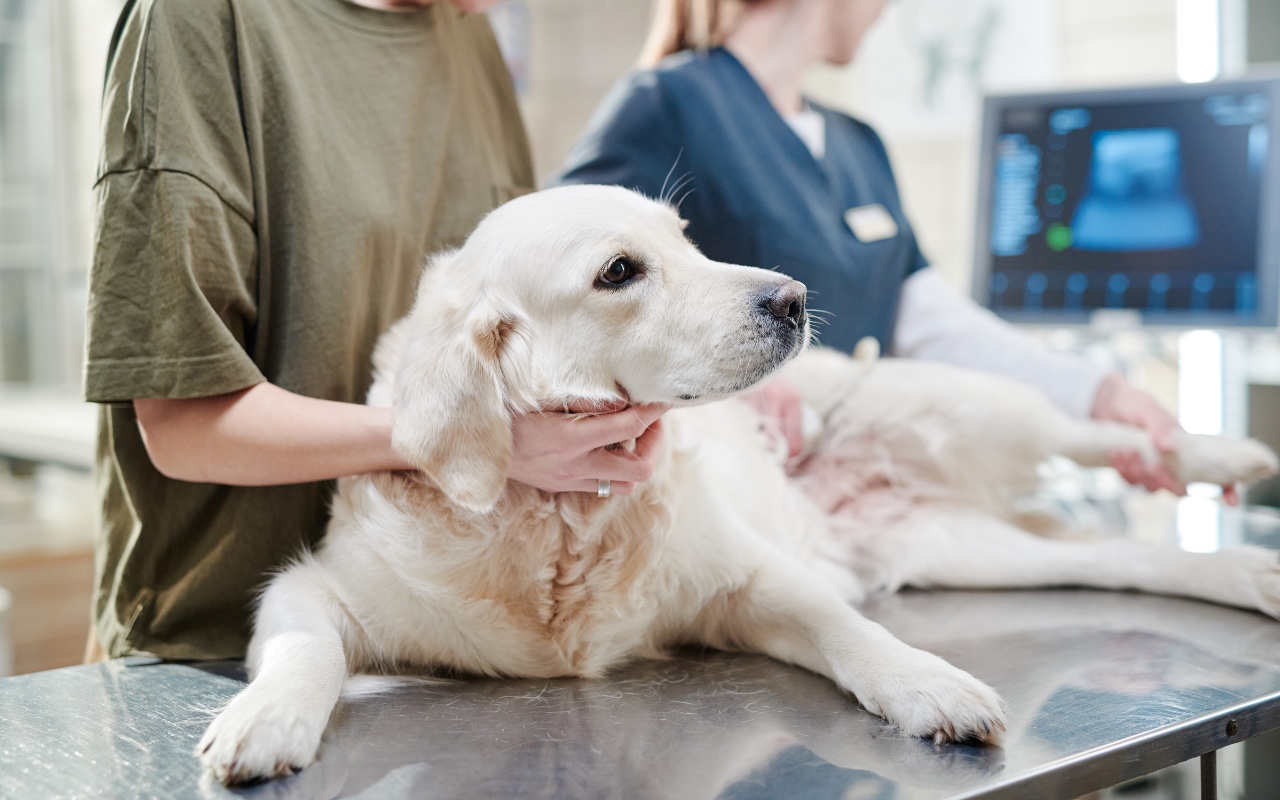
Puppies tend to run higher than adults. To measure it, find the femoral artery on the inside of the thigh near the groin. Count the beats for 15 seconds and multiply by four. Measure when your dog is fully relaxed or asleep. This becomes their individual baseline.
What a change signals
Once you know your dog’s normal RHR, changes matter more than the absolute number. If their baseline is 70 bpm and it gradually rises to 85 bpm over a month, it’s a signal worth paying attention to.
This could reflect early heart disease, anaemia, medication effects, increased stress, or emerging pain. On the other end, a very low heart rate can be normal in a fit, relaxed dog, but if paired with lethargy, it may indicate metabolic or cardiac issues. Context is everything.
We track the trend line
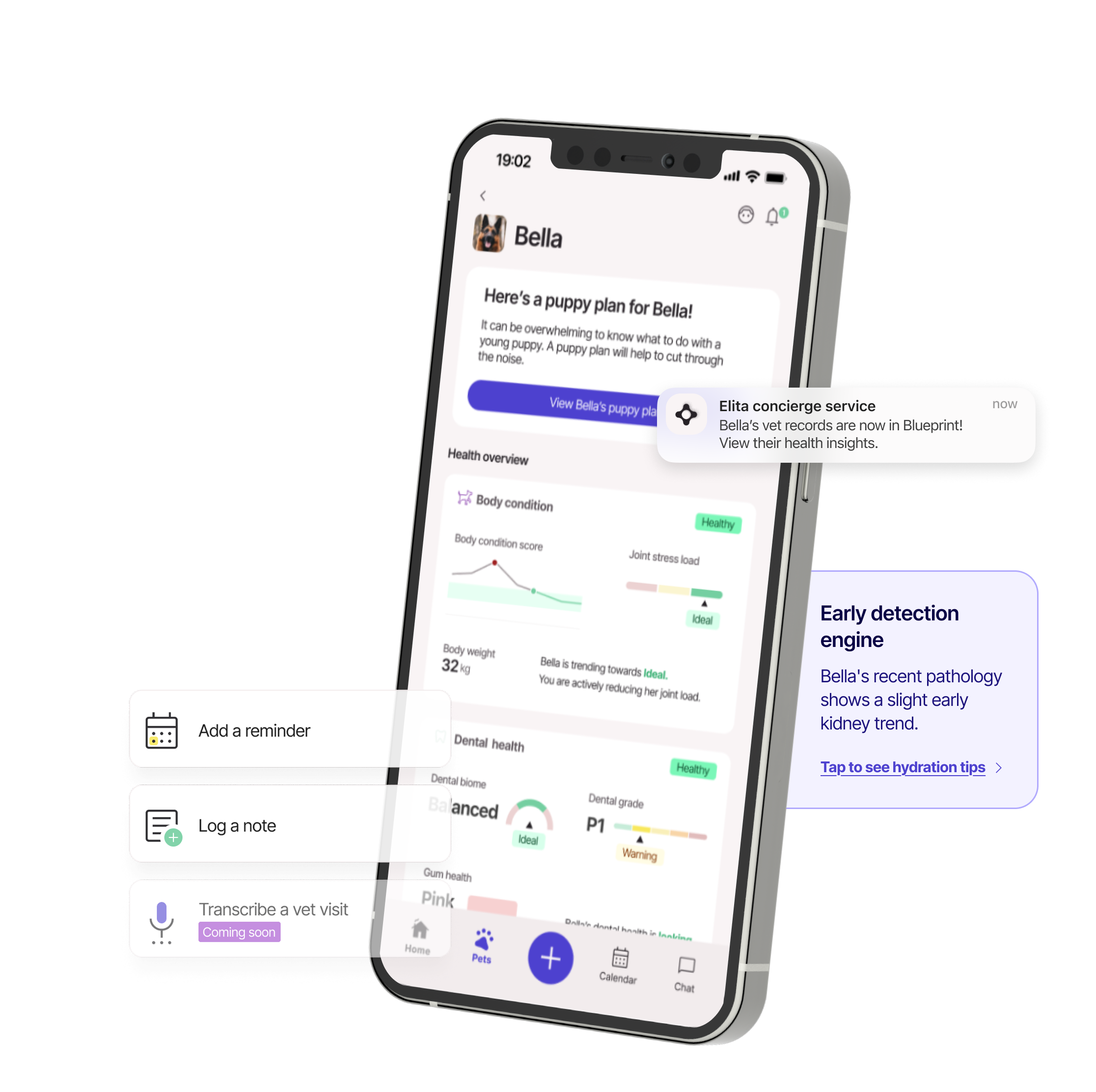
This is where Elita Blueprint adds value. Your vet takes the measurement, and we hold the history. By storing resting heart rate from routine veterinary check-ups over time, Blueprint builds a clear trend line.
That long-term view helps surface gradual age-related changes or unexpected shifts, giving you a reliable record to refer back to and share with your vet, rather than relying on memory or isolated snapshots.

Listen to their heart
Your dog's heart rate is a real time signal of their internal state. Elita Blueprint captures and stores this vital data, turning a simple pulse check into a powerful tool for early detection.