Glucosamine for dogs dosage: getting the numbers right
Joint support is one of the most common reasons owners turn to supplements, but dosage is where things often fall apart.
Sprinkling a tiny amount of powder on food might feel proactive, but if the dose is too low, it’s unlikely to deliver a meaningful clinical effect.
Glucosamine is a slow-acting supplement that’s thought to support cartilage metabolism and help moderate low-grade joint inflammation. It isn’t a painkiller, and it doesn’t rebuild cartilage overnight. To see benefit, dosing needs to be appropriate for your dog’s size and the stage of their joint disease.

The loading dose principle
When starting glucosamine, many veterinary protocols recommend a loading dose for the first 4 to 6 weeks.
This is typically around double the ongoing maintenance dose, with the aim of building tissue levels high enough for an effect to become noticeable. After this period, dogs transition to a daily maintenance dose. A commonly used maintenance range is approximately 20–30 mg of glucosamine per kilogram of body weight per day, depending on the product and the form of glucosamine used.
Always check the label for the amount of active glucosamine, not just the total capsule or powder weight.
The role of chondroitin and combination formulas
Glucosamine is rarely used on its own.
It’s commonly paired with chondroitin sulfate, which may help slow cartilage breakdown by influencing enzymes involved in joint degradation. While the clinical response varies between dogs, the two are often used together as part of a broader joint support strategy.
Many modern formulas also include ingredients like MSM or green-lipped mussel to support comfort and inflammation modulation.
For dogs with established arthritis, supplements are best viewed as one part of a multimodal plan, alongside weight management, appropriate exercise, and veterinary pain control where needed.
Measuring mobility, not just milligrams
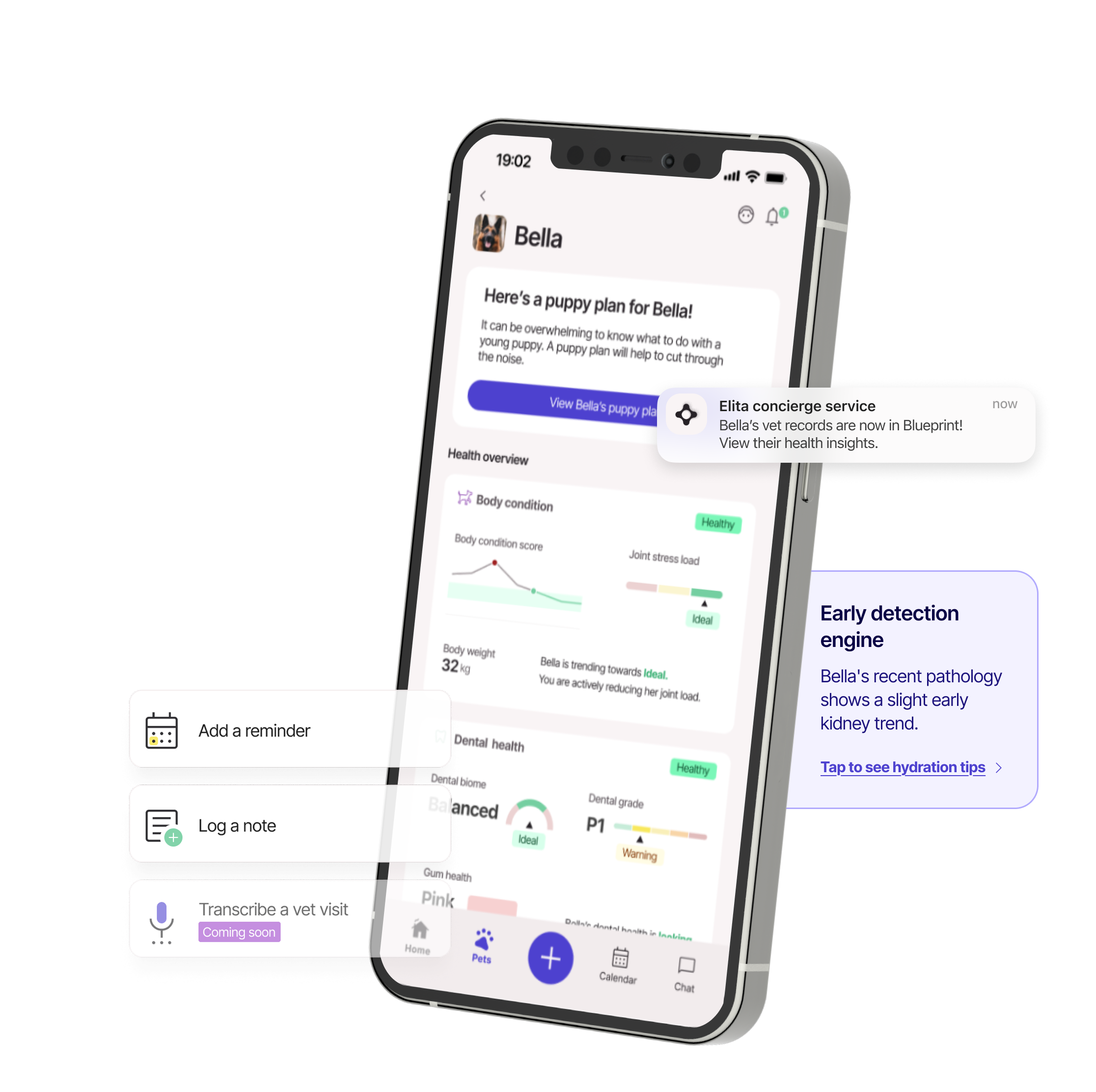
The only way to know whether a supplement is helping is to track real-world function. Elita Blueprint is designed to support this long-term view. You log when a supplement starts, then monitor practical markers like how easily your dog gets up in the morning, their willingness to jump into the car, or their stamina on walks.
Over time, this creates a clear trend. If there’s no meaningful change after six weeks, that data helps inform whether to continue, adjust, or reconsider the approach, rather than guessing based on dosage alone.

Data driven joint care
Don't guess with joint health. Use Elita Blueprint to track your supplement strategy and monitor real world mobility changes, ensuring your dog gets the relief they need.