Gut health and dog allergies, what the evidence suggests and what to track
When owners talk about “allergies”, what they’re often seeing is a mix of immune sensitivity, skin barrier disruption, and inflammation that can flare with food, environment, or both. The gut is closely involved in immune regulation, which is why researchers have been exploring links between gut microbiome balance and allergic disease in multiple species. A microbiome test alone won’t diagnose allergies, but gut health can still be a meaningful piece of the puzzle. The most helpful place to start is tracking patterns, what flares, when it flares, what changed beforehand, and how your dog responds to diet shifts, supplements, seasons, and stress.

Gut health and dog allergies, what the evidence actually shows
When we talk about allergies in dogs, we’re usually describing an immune system that’s reacting too strongly or inappropriately to something it encounters, food proteins, environmental allergens, or both. The gut plays a central role in immune regulation, which is why research has increasingly focused on how gut microbiome balance influences allergic disease.
Studies suggest that dogs with allergic conditions often show differences in gut microbial diversity compared to non-allergic dogs. That doesn’t mean gut imbalance causes allergies on its own, but it does indicate the gut is part of the wider immune picture. From a practical standpoint, this makes gut health a relevant area to support alongside traditional allergy management, especially when symptoms are recurring or hard to control. The key is not chasing a single “allergy trigger”, but understanding how immune load, diet, environment, and gut health interact over time.
How gut health influences allergic load over time
Allergic disease isn’t usually driven by a single exposure. It’s shaped by cumulative immune load, how often the immune system is activated, how intensely it reacts, and how well it returns to baseline. The gut plays a central role in this process because a large proportion of immune activity is coordinated there.
When gut health is supported, immune responses tend to be better regulated. When it’s disrupted, inflammatory signalling can become more exaggerated or persistent, increasing the likelihood of allergic flare ups over time. This is why gut support is best viewed as a long-term strategy for managing allergic load, rather than a short-term fix aimed at eliminating individual triggers.
Turning gut health support into a long term allergy management strategy
Allergies are rarely just a single trigger, they’re the result of cumulative load over time. Gut health plays a central role in how the immune system responds to everyday exposures, from food proteins to environmental allergens. Supporting the gut isn’t about eliminating every potential trigger, it’s about improving tolerance and resilience so reactions are less frequent and less severe.
Long term allergy management works best when gut support is treated as an ongoing strategy, not a short term fix. Tracking flare ups alongside diet changes, medications, seasons, and stressors helps reveal what actually shifts allergic load over time. This approach moves care away from constant reaction and toward prevention, where small adjustments compound into meaningful relief.

Support allergies with better gut context
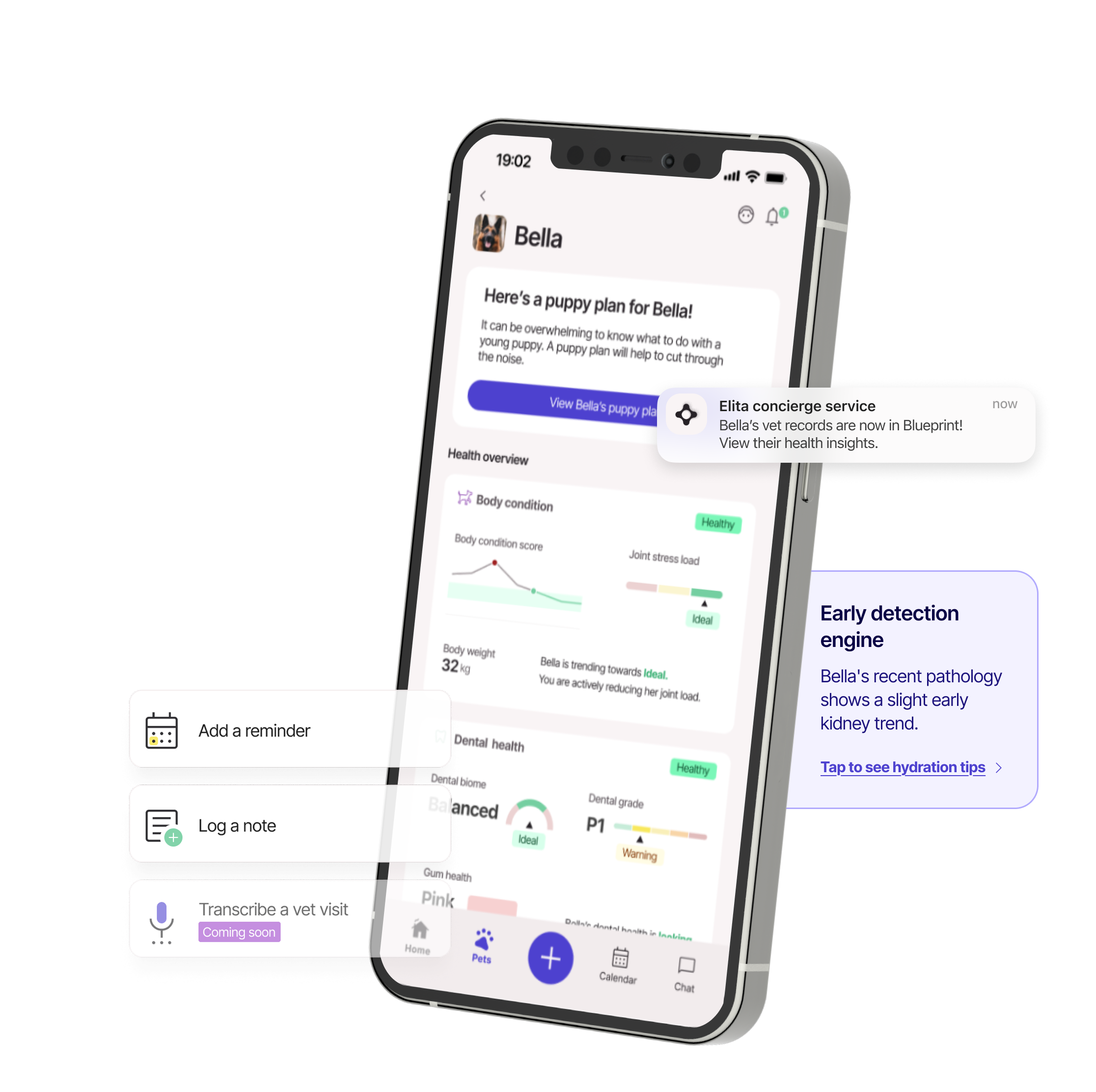
Allergy flare ups make more sense when you can see what changed around them. Blueprint lets you track itching, ear issues, diet shifts, treats, supplements, seasons, and stress in one place, so you can spot patterns and reduce guesswork. If you’ve done any gut testing already, upload the report into your dog’s Blueprint docs, data without context is just noise.