How to stop your puppy biting
Puppy biting is one of the most common challenges new dog owners face. Whether it’s playful nipping, chewing hands, or biting during excitement, it can be frustrating and sometimes painful.
The good news is that puppy biting is usually a normal part of development. Understanding why it happens, and responding consistently, is far more effective than trying to stop it overnight. Most puppies grow out of biting with the right guidance and patience.
Why puppies bite in the first place
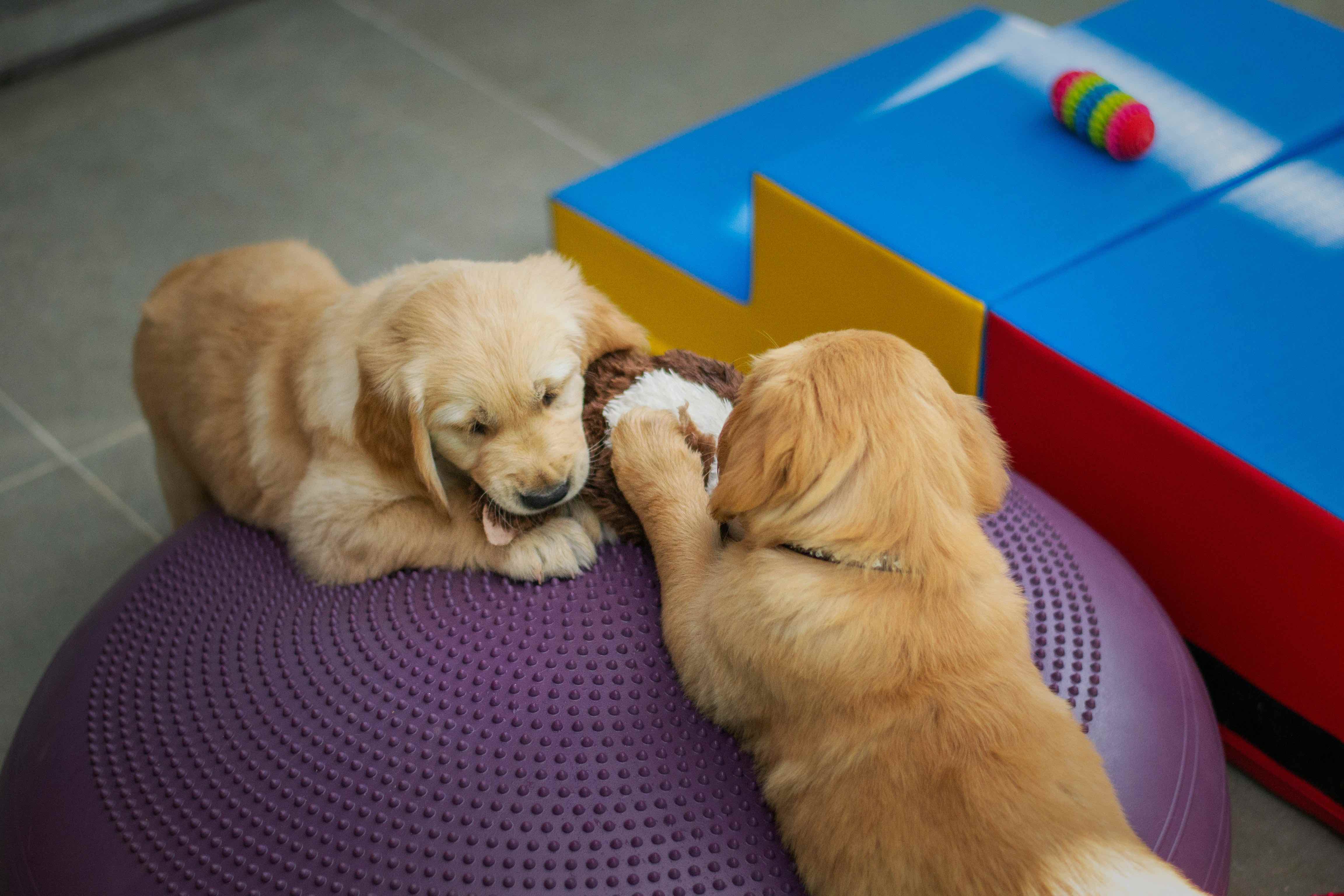
Puppies use their mouths to explore the world. Biting can be linked to teething, play, excitement, frustration, or simply not yet knowing appropriate boundaries.
Biting is often more frequent when puppies are overtired, overstimulated, or unsure how to interact. It’s rarely about aggression. More often, it’s a sign your puppy is learning how to engage with people and their environment.
Recognising what triggers biting helps you respond in a way that actually teaches your puppy what’s expected.
What helps reduce a puppy biting
Consistency is key when it comes to reducing puppy biting. Calm responses, clear boundaries, and redirecting biting to appropriate toys are more effective than punishment.
Short, positive training moments, regular rest, and appropriate mental stimulation all help reduce overexcitement. Just as importantly, noticing patterns, such as biting during certain times of day or after specific activities, helps you adjust routines before biting escalates.
Tracking these patterns makes it easier to understand what’s improving and what still needs support.
Tracking behaviour changes as your puppy grows
Puppy behaviour changes quickly, often week by week. What feels constant one week can improve the next, but only if you notice and respond to patterns early.
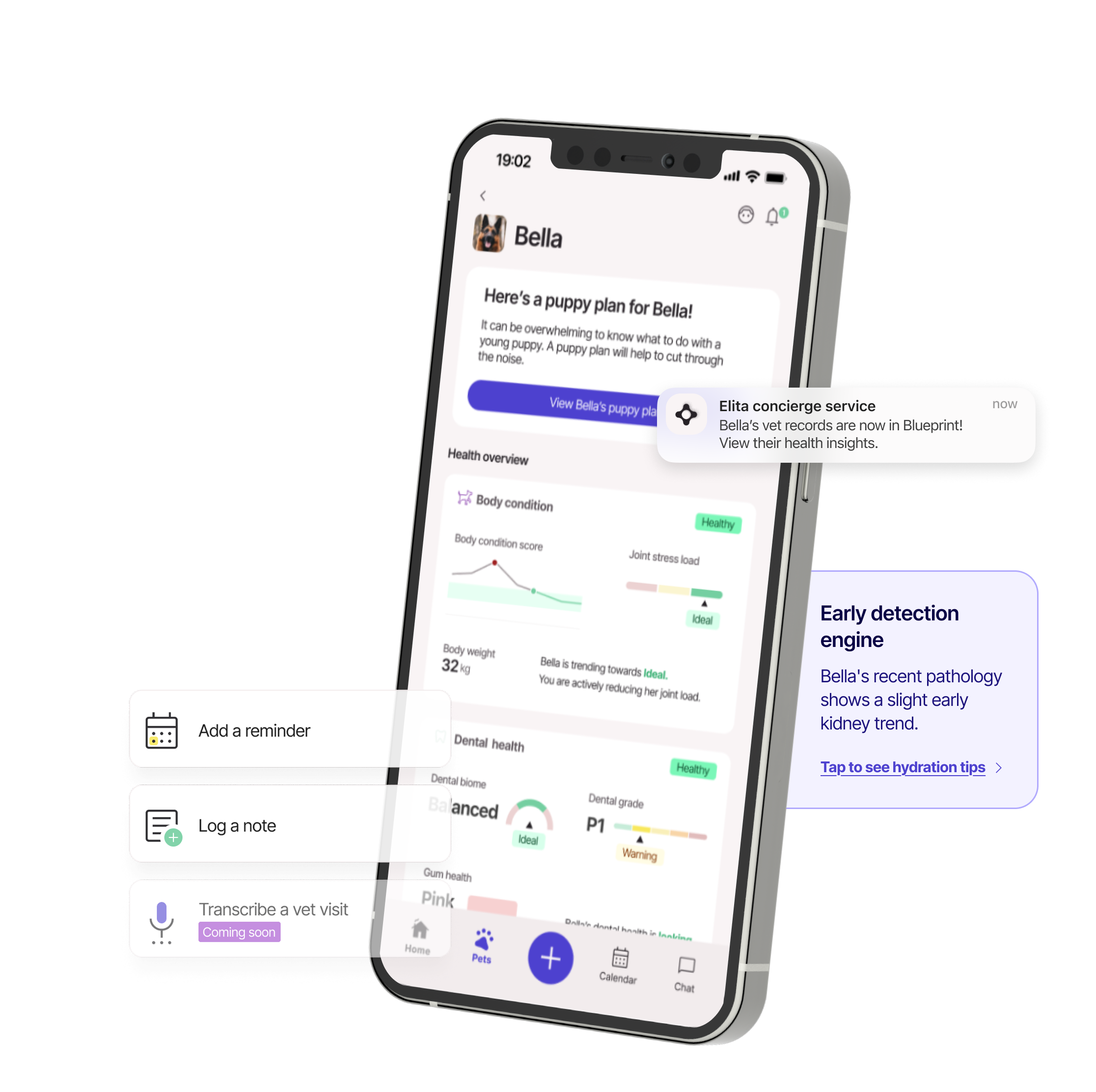
Using Blueprint, owners can track behaviours like biting, note triggers, and record what strategies are helping. Over time, this builds a clearer picture of progress and supports more confident decisions about training, routines, and when extra support might be useful.

Understand your puppy’s behaviour over time
Stopping puppy biting isn’t about one quick fix. Blueprint helps you track behaviour changes, routines, and progress as your puppy grows, so you can see what’s working and adjust with confidence.