Microbiome tests for dogs, what they show and what they miss
Microbiome tests for dogs can provide useful insights into microbial diversity and imbalance, but on their own they don’t explain why changes are happening or how they evolve over time.

How to use microbiome test results alongside ongoing health tracking
Microbiome test results are most useful when they’re treated as one data point within a much larger health story. On their own, results show which microorganisms were present at a specific moment, but they don’t explain how long those patterns have existed or what may have influenced them. Context is what turns data into insight.
When test results are paired with ongoing tracking, patterns start to emerge. Changes in digestion, skin, appetite, behaviour, diet, medication use, and routine all influence the gut environment. Being able to view test outcomes alongside this information helps explain why results look the way they do and whether they reflect a temporary disruption or a longer-term imbalance.
This is where longitudinal health records add real value. Uploading test results and viewing them alongside historical observations allows owners and vets to make sense of findings over time, rather than reacting to a single snapshot without background.
Why microbiome data becomes more meaningful when tracked over time
Microbiome data gains meaning when it’s placed within a timeline. A single result can show what the gut looked like on one day, but it can’t show whether that state is typical, improving, or drifting over time. Without comparison points, even detailed data can be difficult to act on.
Tracking microbiome information alongside ongoing health observations allows change to be measured, not guessed. Repeated patterns, stability, or gradual shifts all provide important signals that a one-off result can’t capture. This is particularly relevant for dogs experiencing intermittent symptoms rather than constant issues.
When microbiome data is treated as part of a longer health story, it supports smarter, calmer decisions. Owners can see whether interventions align with real improvements and avoid overreacting to short-term fluctuations that don’t persist.
Using microbiome results to guide smarter questions, not quick fixes
Microbiome results are most useful when they shape better questions, not rushed decisions. A single data point can highlight areas to pay attention to, but it rarely explains everything on its own. The real value lies in using results to guide what you observe next.
Instead of asking “what should I change immediately?”, a more helpful approach is “what should I watch more closely?” This might include digestion, skin, behaviour, or energy levels over the following weeks. When results are treated as a starting point, they help owners stay curious rather than reactive.
This mindset reduces unnecessary interventions and supports more confident, informed conversations about what’s actually happening over time.

Keep gut health in context, not in fragments
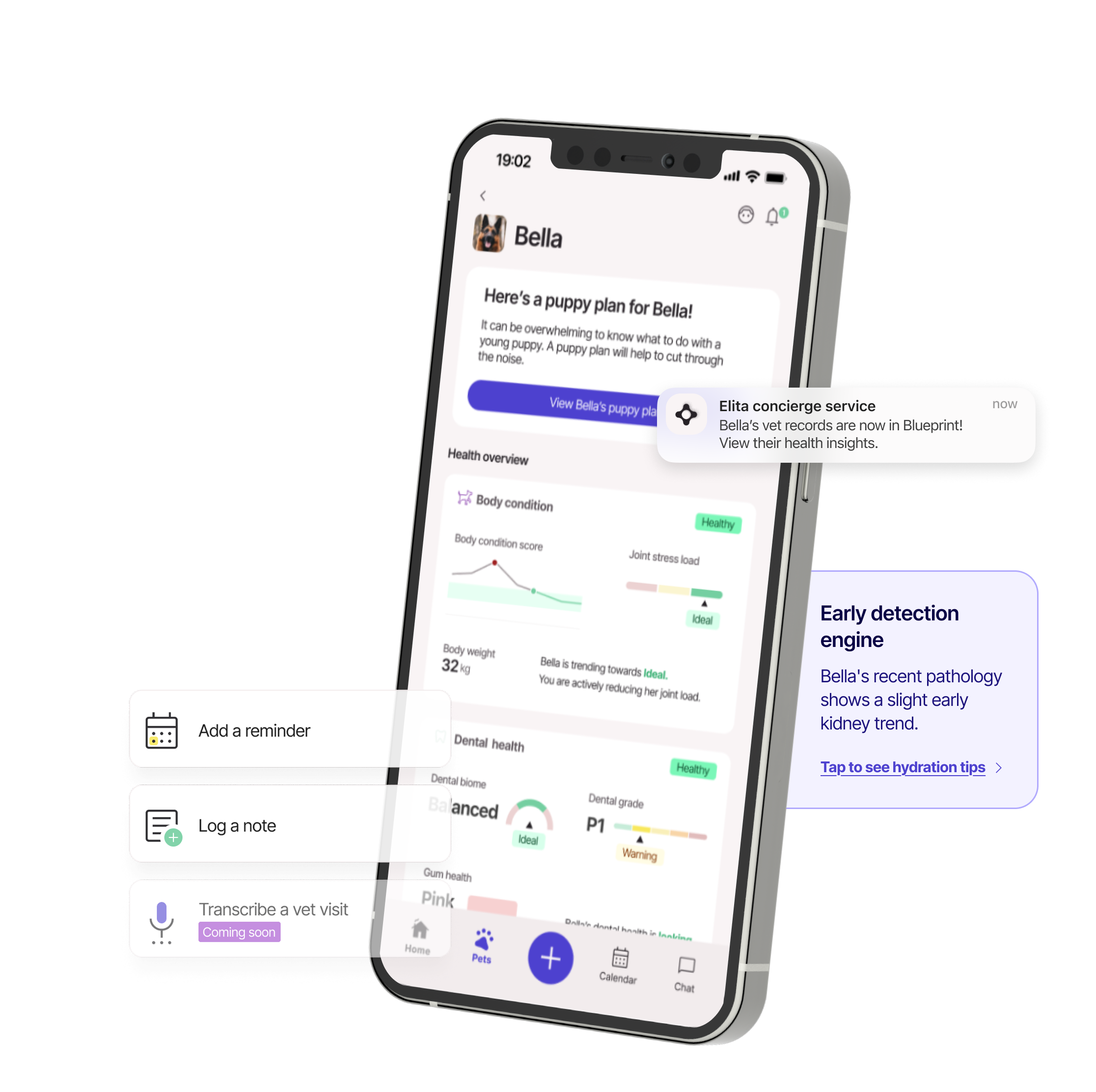
Gut symptoms are often connected to skin, immunity, and behaviour. Blueprint keeps everything in one place, so you can see what’s related, what’s repeating, and what’s improving, without relying on memory.