Pancreatitis in dogs diet: why fat matters
The pancreas is a small organ with a big job, producing enzymes that help digest food. In healthy dogs, these enzymes activate in the small intestine. In pancreatitis, they can activate too early, inside the pancreas, triggering inflammation and intense pain. Dietary indiscretion, especially high-fat foods, is a common trigger, but pancreatitis is multifactorial and can be linked to other risk factors too. Once a dog has had a flare, diet becomes a key part of prevention.
The low fat non-negotiable
For dogs prone to pancreatitis, keeping fat consistently low is critical. Fat stimulates pancreatic activity, which can increase the risk of another flare. A common target is less than 10% fat on a dry matter basis (not the “as-fed” number on the label), and some sensitive dogs may need it even lower. This rules out treats like pig ears, cheese, and marrow bones, plus many standard adult foods. Lean proteins and simple, well-tolerated carbs can help, ideally with your vet guiding the plan.
Acute vs Chronic Management
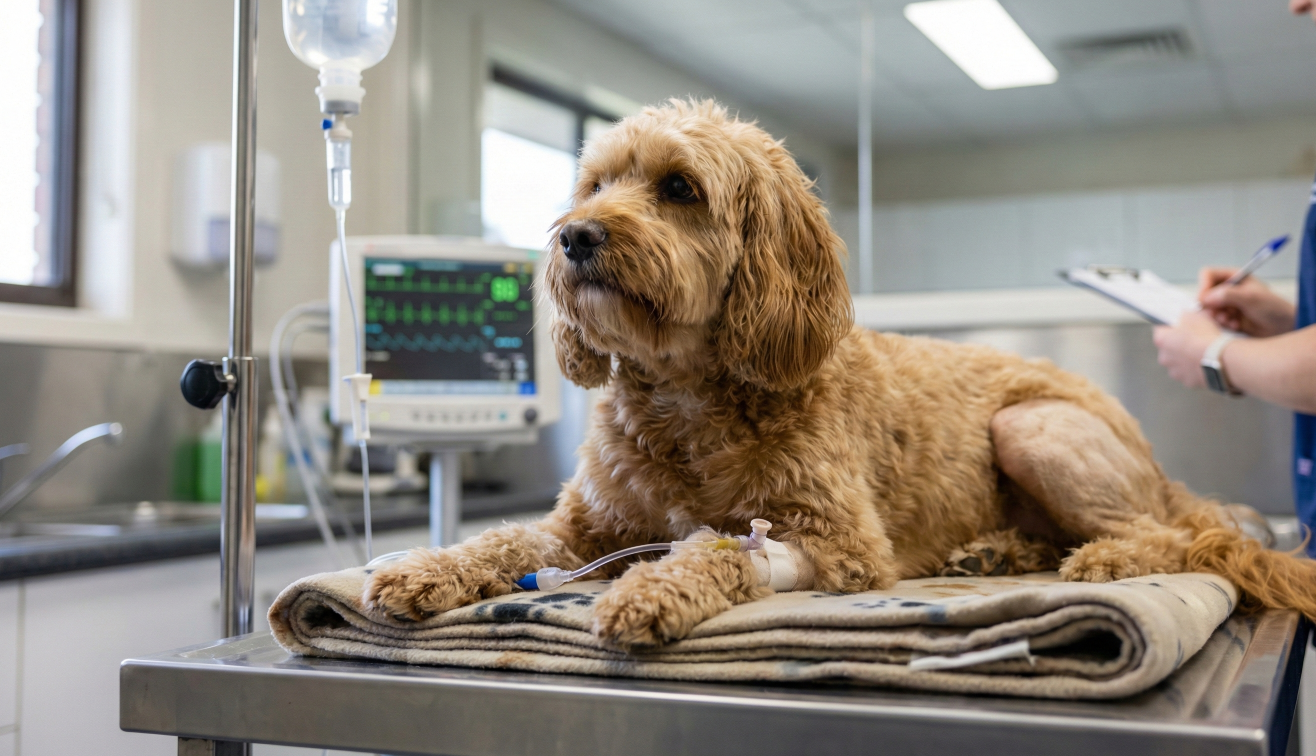
There are two versions of this disease. Acute pancreatitis is a sudden, life threatening emergency (often after stealing a fatty BBQ scrap). Chronic pancreatitis is a low grade, simmering inflammation that can flare up repeatedly over years. Managing the chronic form requires strict discipline. There are no "cheat days" with pancreatitis. Even a single high fat treat can send a dog back to the emergency room. Consistency is the only way to protect the organ from further scarring and damage.
We guard the diet history
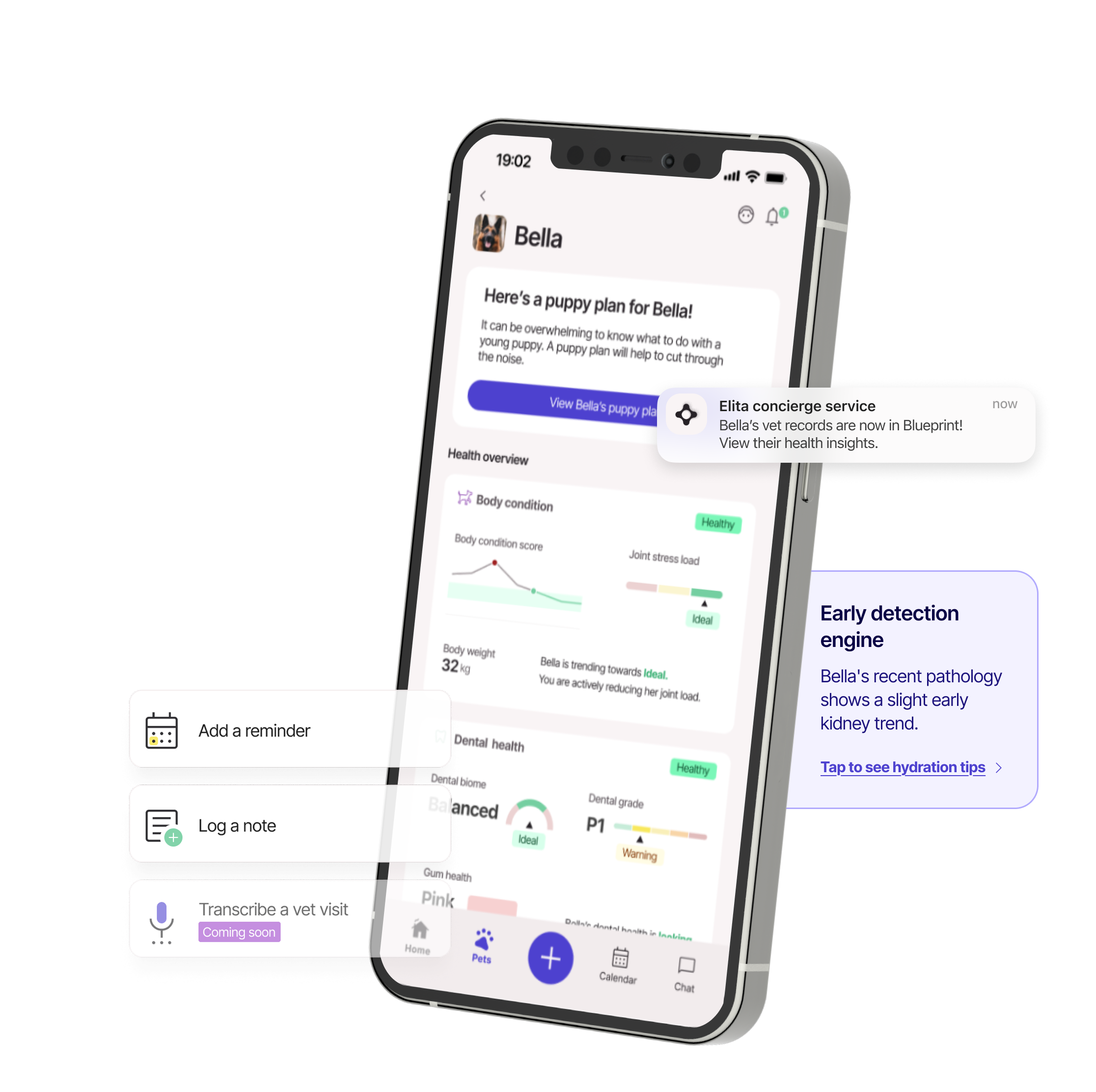
Managing a medical diet requires vigilance. Elita Blueprint allows you to maintain a strict record of what your dog eats and, crucially, how they react. If you try a new "low fat" treat and notice a slight dip in energy or a change in stool quality, you log it. Our system holds that data, allowing you to look back over months and see which foods kept them stable and which ones caused a wobble. We keep the safety guardrails in place by monitoring the history of their inputs.

Protect the pancreas
With pancreatitis, diet is the only defence. Elita Blueprint helps you maintain a strict record of safe foods and reactions, ensuring you can manage their condition with precision and avoid dangerous flare-ups.