Plants toxic to dogs Australia: know what is in your garden
Australia is home to some incredibly beautiful flora, but many common garden plants and natives pose a serious toxicity risk to dogs. Because puppies explore the world with their mouths, the backyard can inadvertently become a danger zone.
Toxicity isn't always about immediate emergency; some plants cause slow, cumulative damage to organs like the liver or kidneys that isn't noticed until it is too late.
Knowing which species are in your garden and understanding the biological signs of poisoning is a key part of setting up a safe environment for your pet.
The common Australian offenders
Several popular plants in Australian gardens are highly toxic. The Sago Palm (often found in established gardens) is one of the most dangerous; eating even a single seed can lead to fatal liver failure. Yesterday-Today-and-Tomorrow (Brunfelsia) is another common shrub that causes seizures and tremors if ingested.
Lilies are notoriously toxic to cats, but certain varieties can also cause severe gastrointestinal upset in dogs. Even the bulbs of common spring flowers like daffodils/jonquils can be dangerous if dug up and chewed. It is critical to audit your garden and remove or fence off these high-risk species.
Biological signs of toxicity
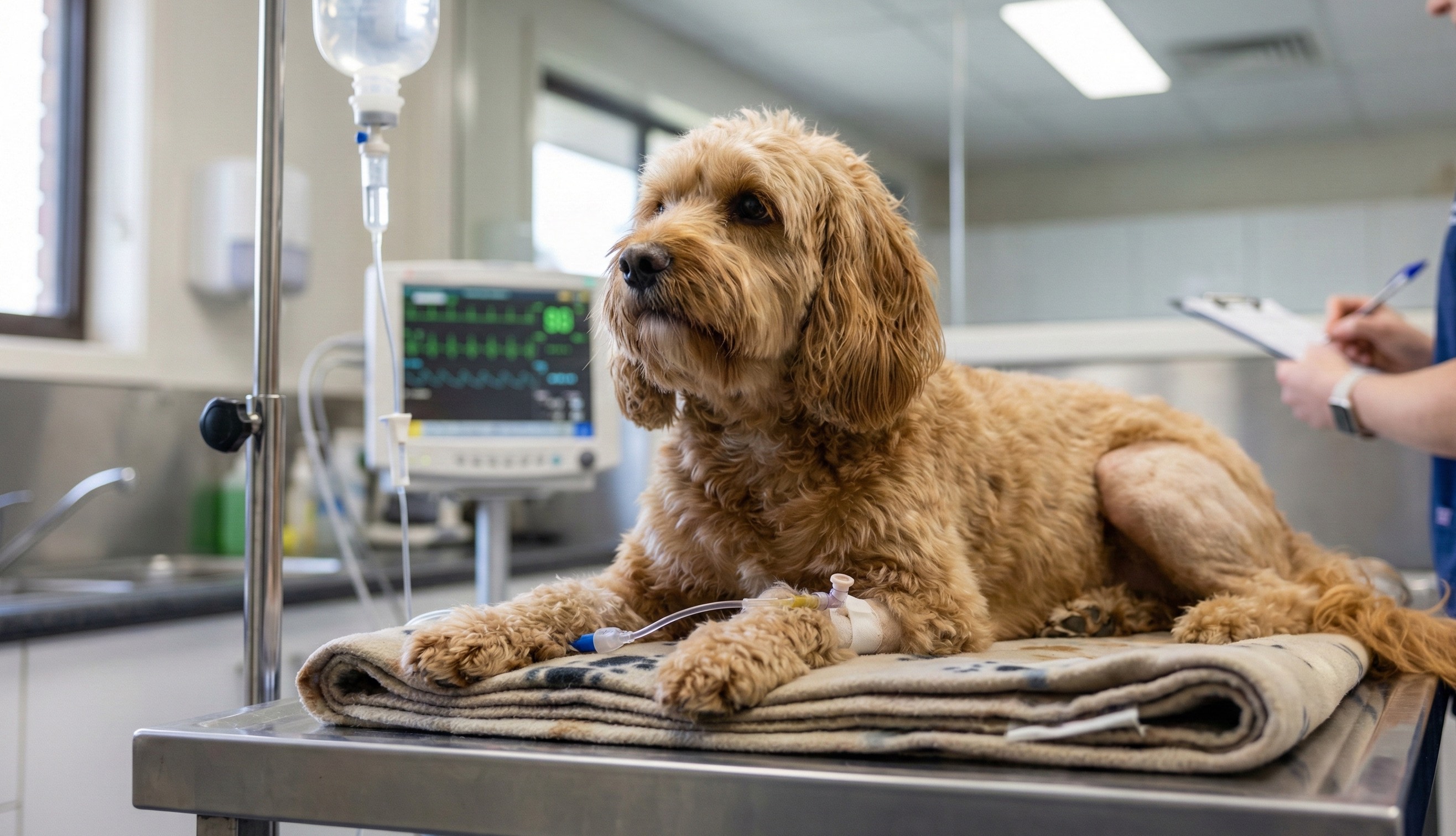
If your dog does ingest something toxic, the body will usually try to purge it. Vomiting and diarrhoea are the most obvious signs, but you should also watch for neurological signals.
Excessive drooling, muscle tremors, a staggering gait, or dilated pupils indicate that the toxin is affecting the nervous system.
In the case of liver toxins like Sago Palm, you might see jaundice (yellowing of the gums and eyes) appear days later. If you suspect ingestion, do not wait for symptoms to appear. Immediate veterinary intervention is the only way to limit absorption.
Track health signals and environment
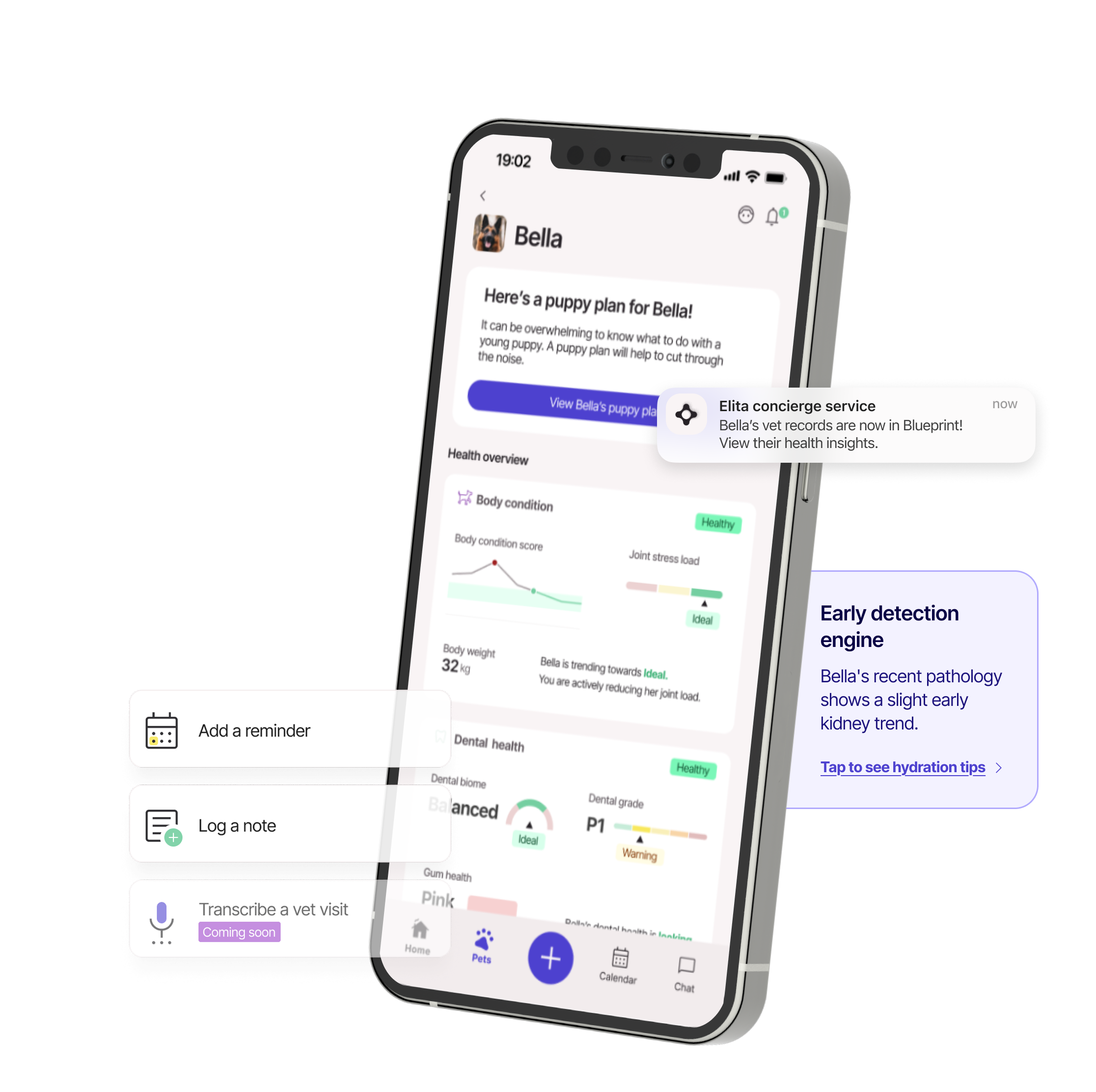
When an emergency happens, vets need context fast. Elita Blueprint acts as a centralised vault, allowing you to store helpful notes about your environment and potential risks. More importantly, we help you track biological baselines like gum health over time.
By logging gum colour and hydration, you establish a "normal" for your dog. If they ingest a toxin that affects liver function or circulation, having a historical record helps you spot the warning signs, like pale or yellowing gums, immediately. We keep this data visible so you can distinguish between a simple upset stomach and a poisoning event.

Be prepared for the backyard
Accidental poisoning happens fast. By keeping a record of your dog's health history and habits in Elita Blueprint, you give your vet the context they need to make faster, life-saving decisions during an emergency.