Probiotics for dogs: navigating the bacterial strains
The gut microbiome plays a central role in digestion, immune regulation, and inflammatory balance. When that ecosystem is disrupted (a state known as dysbiosis), dogs can develop symptoms ranging from diarrhoea and gas to skin irritation or behavioural changes. Probiotics are often suggested as a fix, but the reality is more nuanced. Not all bacteria behave the same way, and not every dog benefits from supplementation. Without context, adding “good bacteria” can be helpful, neutral, or occasionally counterproductive.

Why strain matters more than labels
Probiotics are not interchangeable. Different bacterial strains have different effects, and benefits tend to be strain-specific rather than generic. For example, Enterococcus faecium is commonly used in veterinary medicine for acute diarrhoea and stress-related gut disturbances. Bifidobacterium animalis has evidence supporting its role in improving stool consistency and supporting immune responses in some dogs. Certain Lactobacillus species may help dogs with sensitive digestion, but responses vary.
What matters is not just the presence of bacteria, but the specific strain and the dose (CFUs) delivered. Products that list vague “probiotic blends” without strain identification offer little insight into what they’re actually doing biologically.
Prebiotics and unintended effects
Prebiotics are non-digestible fibres that feed existing gut bacteria. Ingredients like inulin, psyllium, or certain vegetable fibres can encourage bacterial growth, but that growth isn’t always predictable.
In some dogs, prebiotics improve stool quality and tolerance. In others, they can worsen gas or loose stools, particularly if introduced quickly. Transient changes can be normal, but persistent symptoms suggest the intervention may not be appropriate for that dog’s current gut state.
Probiotics are a hypothesis, not a guarantee
Supplementing the microbiome is best thought of as a hypothesis: this strain, at this dose, might help this dog. Without measurement, owners are left guessing whether a probiotic is working or simply coinciding with natural fluctuation.
Improvements may be subtle, delayed, or absent altogether. Lack of response doesn’t mean probiotics “don’t work”, it means the strain, dose, or timing may not be right.
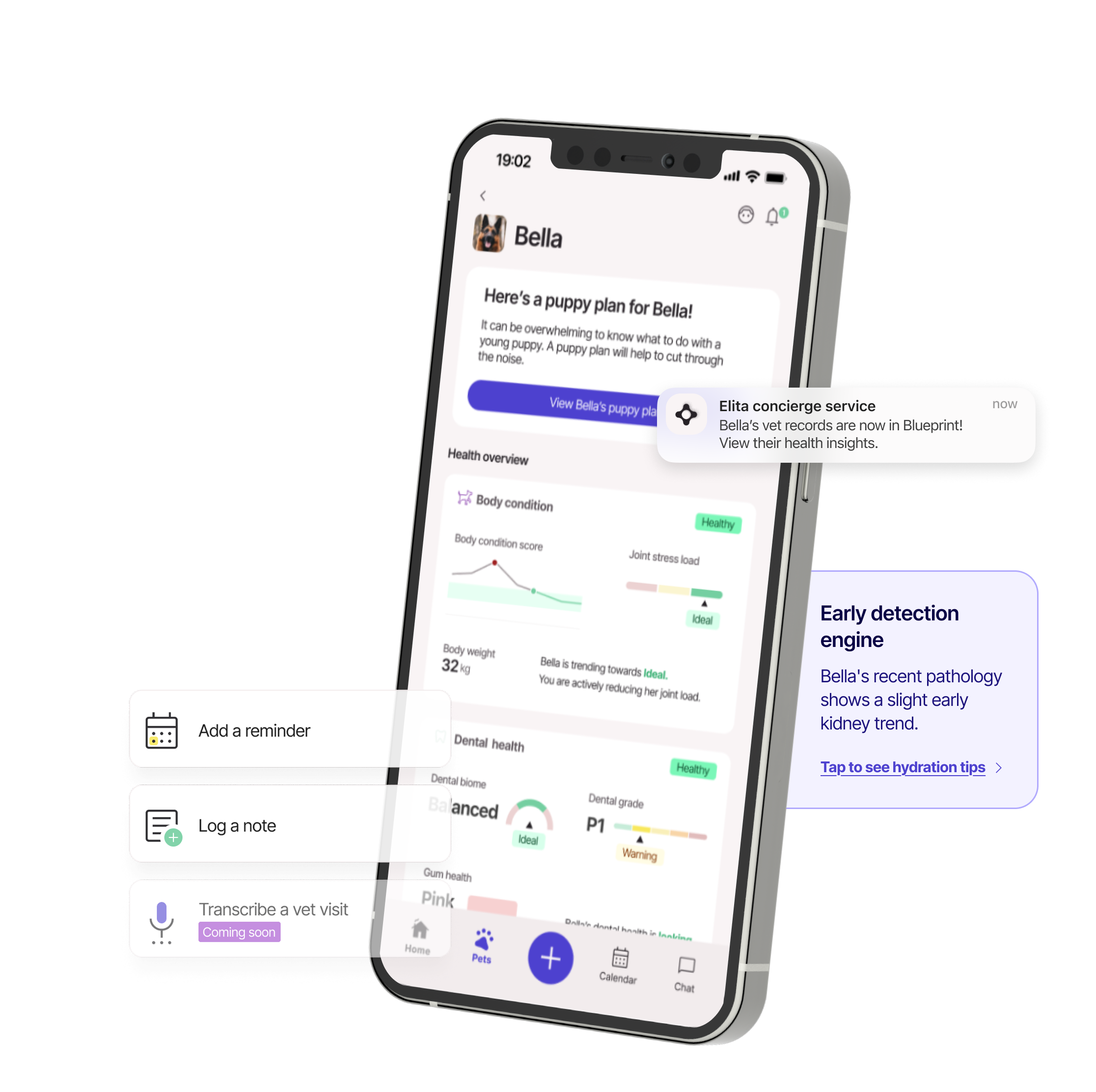
Holding the context while we measure, Elita Blueprint is designed to hold the context around gut health decisions. You can record when a probiotic is started, along with changes in stool quality, gas, appetite, or skin signs over time. This creates a clear before-and-after view, rather than relying on memory or short-term impressions. If there’s no meaningful shift after several weeks, that information helps guide the next step, whether that’s changing strains, stopping supplementation, or investigating further.

From guesswork to biology
Gut health isn’t one-size-fits-all. As microbiome testing becomes available, we move from assumptions toward personalised insight, understanding which bacterial populations are present, which are missing, and whether intervention is even needed. Until then, tracking inputs and outcomes is the most reliable way to navigate probiotics thoughtfully, using data rather than hope to guide decisions.