Puppy sleep schedule: understanding the biological need for rest
New puppy owners are often shocked by two things: how much energy their puppy seems to have, and how quickly that energy turns into chaos. We tend to think of puppies as limitless batteries that need to be worn out. However, biology tells a different story.
Sleep is not just downtime for a dog; it is the primary state in which they grow, build immunity, and process what they learned that day. If your puppy is biting, barking, or unable to settle, they likely don't need a longer walk. They likely need a nap. Understanding the sleep requirements for their developmental stage is one of the most effective ways to manage their health and your sanity.
The 18 to 20 hour rule
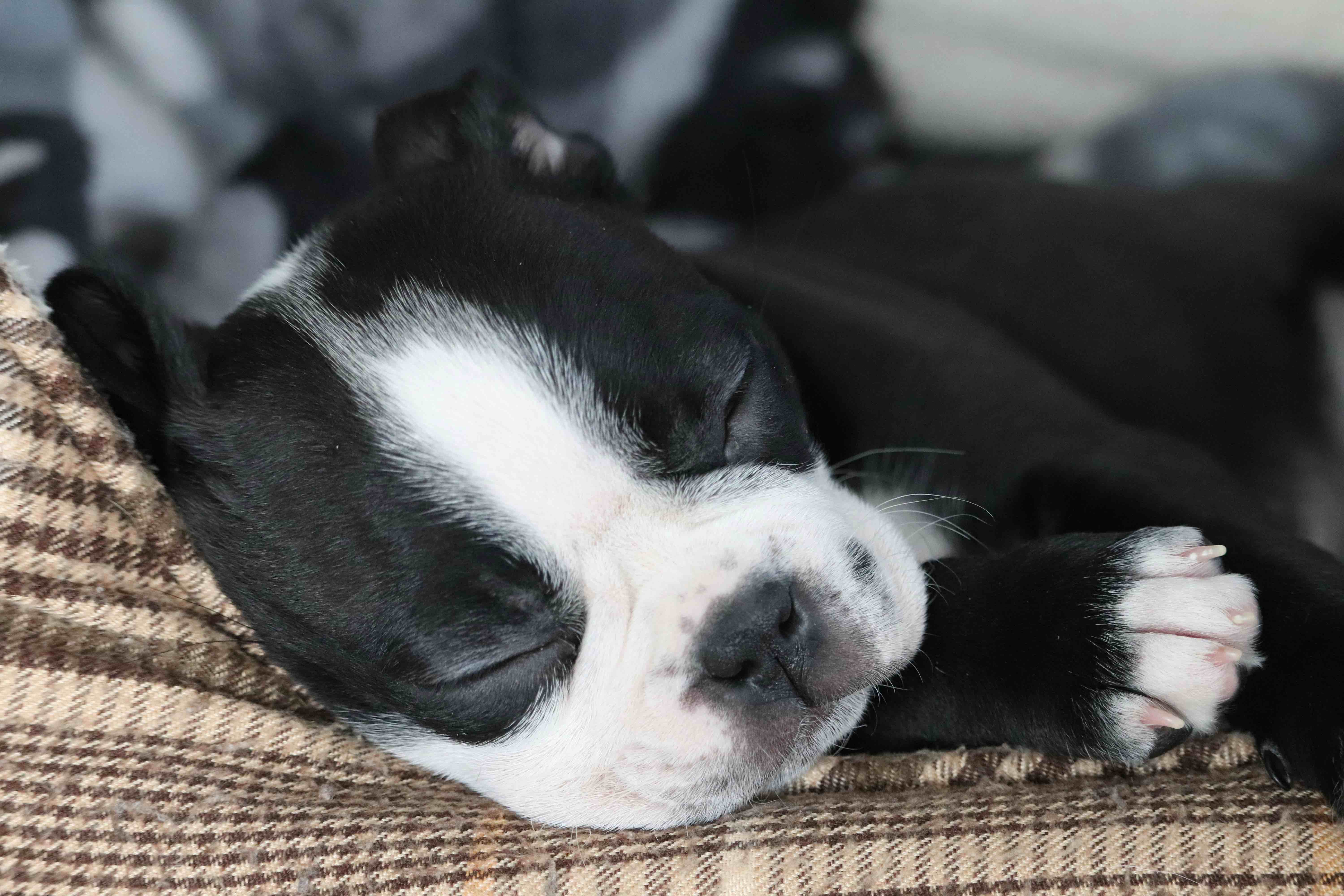
It sounds excessive, but a healthy 8 to 16 week old puppy should be sleeping between 18 and 20 hours a day. This leaves a window of only four to six hours of awake time, which includes eating, training, playing, and toileting. Biologically, this massive sleep requirement is non-negotiable.
During deep sleep, the pituitary gland releases growth hormones that are critical for physical development. Simultaneously, the brain is pruning neural connections, effectively filing away the lessons and socialisation experiences from the waking hours. If a puppy misses this sleep, they aren't just tired. They are physiologically depleted, which impacts their immune system and their ability to learn.
The myth of the "energetic" puppy
One of the biggest mistakes owners make is misinterpreting an overtired puppy as an energetic one. When a puppy stays awake past their biological limit, their body releases cortisol and adrenaline to keep them going.
This manifests as the "zoomies," manic biting, or an inability to listen to commands. It looks like they have energy to burn, but it is actually a stress response. This is why "enforced naps" are often necessary. Like human toddlers, puppies rarely regulate their own sleep. They will play until they crash or melt down.
Establishing a routine where one hour of activity is followed by two hours of crate or pen rest is often the best way to break the cycle of overstimulation.
Sleep as a health signal
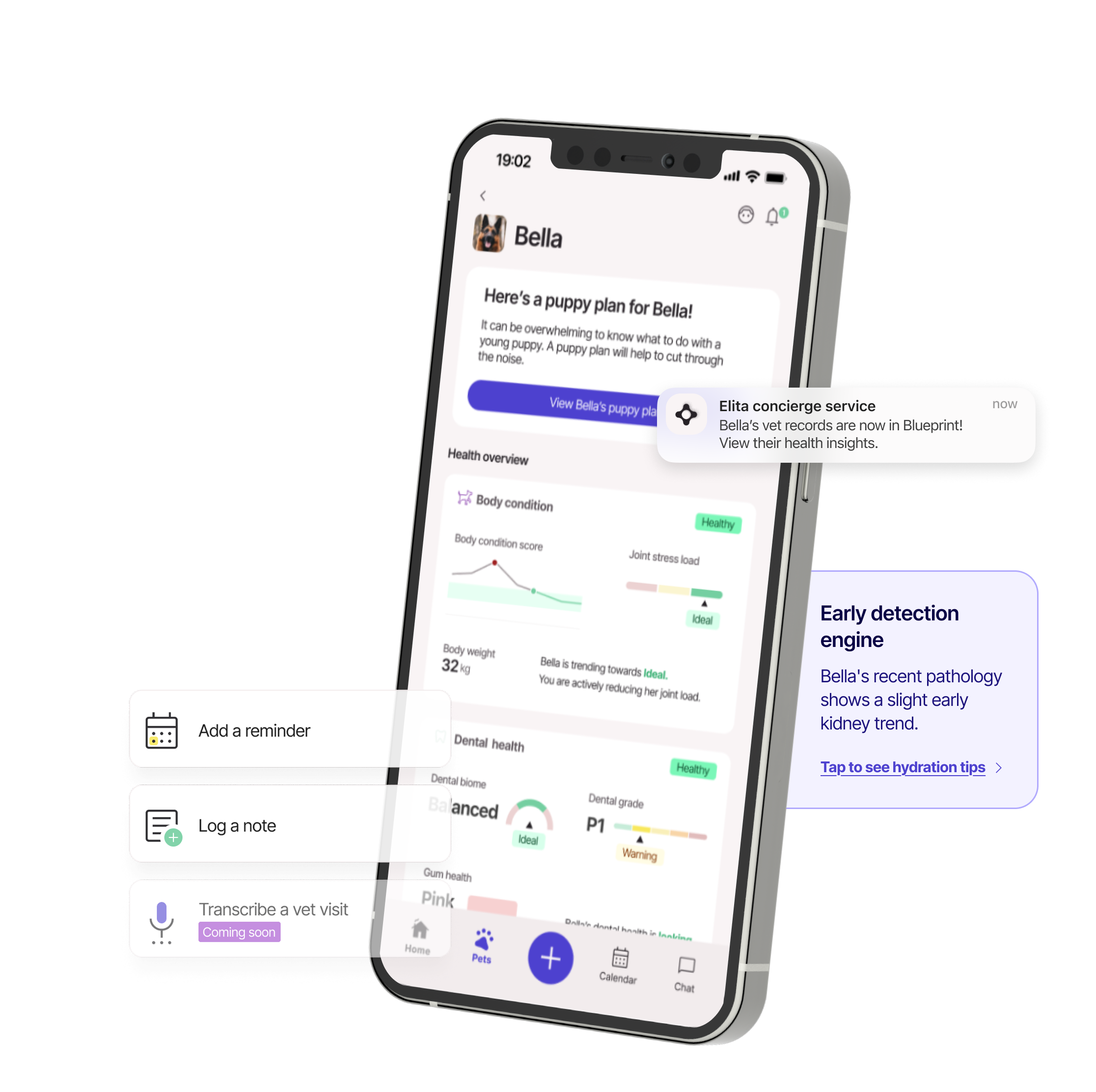
Sleep is a sensitive biomarker. Sudden changes in sleep patterns are often the first indicator that something is shifting internally. This is where Elita Blueprint turns observation into insight. If your puppy is suddenly sleeping 22 hours instead of 18 and is difficult to rouse, it could be a sign of a viral challenge or a growth spurt. Conversely, if they are suddenly unable to settle or are waking up frequently at night, it might signal a urinary tract infection, teething pain, or digestive discomfort. By tracking sleep quality and duration alongside behaviour in Blueprint, you stop guessing why your puppy is acting out. You can see the correlation between a missed nap and the evening "shark mode," or spot a health issue before other clinical signs appear.

Track the downtime
Sleep is when the work of growing happens. Use Elita Blueprint to monitor your puppy’s rest patterns, connect sleep to behaviour, and ensure they are getting the recovery time they need to thrive. Just log any changes in the calendar and we'll do the rest while you ensure they rest.