Signs of dehydration in dogs: protecting the kidneys
Water is the medium for nearly every biological process in your dog’s body, from nutrient transport to temperature regulation. When hydration drops, the effects are systemic.
Blood volume decreases, circulation becomes less efficient, and organs that rely on steady flow, including the kidneys, come under strain. Recognising dehydration early isn’t just about thirst; it’s about reducing physiological stress before it escalates.
Physical checks: skin and gums
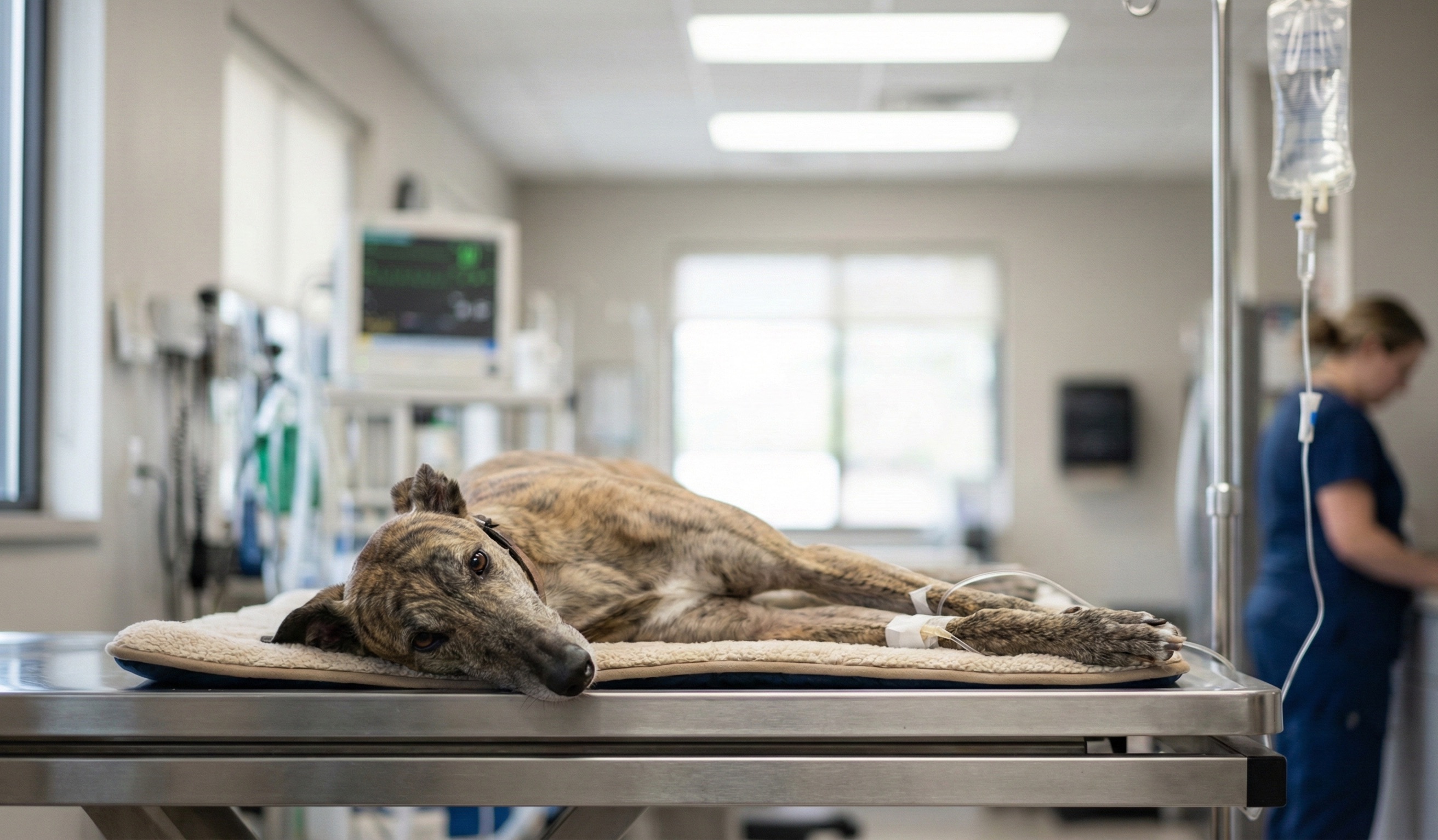
Because dogs can’t tell us when they’re dehydrated, we rely on physical indicators. The skin tent test is a common screening tool: gently lift the loose skin over the shoulders and release it.
In a well-hydrated dog, it should return quickly to place. A delayed return can suggest dehydration, though this test is less reliable in senior dogs or those with reduced skin elasticity. The gums offer another clue; they should be moist and slippery. Gums that feel tacky or dry can indicate reduced hydration. Sunken eyes, weakness, and marked lethargy are later signs and suggest more significant physiological stress.
The renal connection
The kidneys depend on adequate blood flow and pressure to filter waste effectively. During dehydration, they compensate by concentrating urine, increasing their workload.
While dehydration alone doesn’t cause chronic kidney disease, repeated or severe episodes can exacerbate existing kidney stress or contribute to acute injury. Supporting consistent hydration is particularly important in older dogs, dogs with underlying renal disease, or those that don’t naturally drink much on their own.
We watch the trends
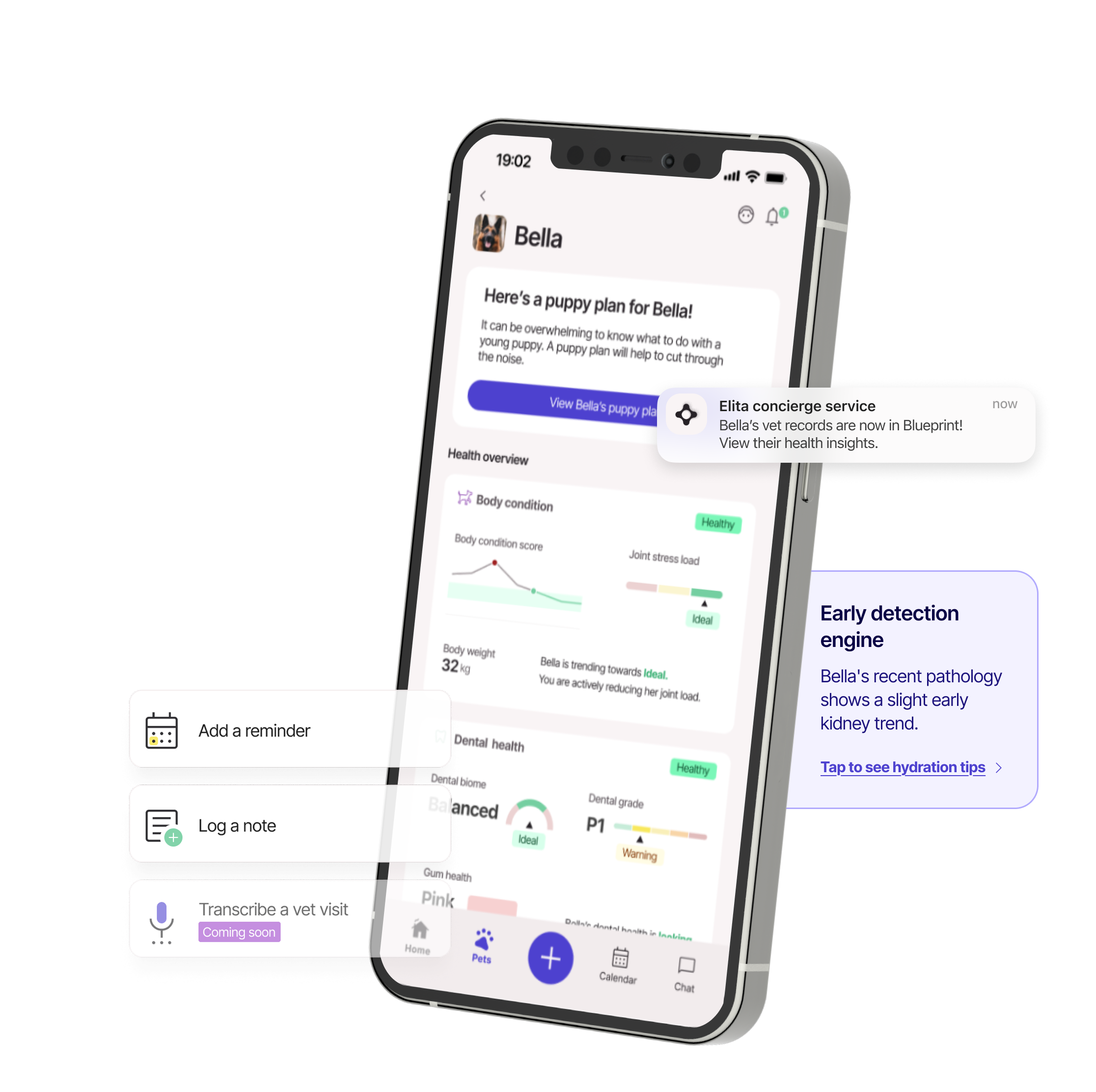
Hydration context is part of the Elita Blueprint health record. You can note observations such as reduced water intake or darker urine, while Blueprint stores your dog’s historical blood work over time.
Tracking kidney markers like creatinine and SDMA longitudinally allows subtle changes to be seen in context, rather than as isolated results. This long-term view helps guide earlier conversations around diet, fluid strategies, and monitoring with your vet.

Protect their filtration system
Kidney tissue has limited capacity to recover once damaged, so prevention and early support matter.
By holding hydration-related observations alongside clinical kidney markers over time, Elita Blueprint helps identify emerging renal stress early, when there’s still room to intervene thoughtfully.