Symptoms of gut imbalance in dogs and what they often show up as
Gut imbalance doesn’t always look like diarrhoea. In many dogs, it appears as intermittent loose stools, excessive gas, recurrent skin flare ups, ear infections, changes in appetite, low energy, or increased anxiety. Because the gut communicates with the immune system and nervous system through pathways like the gut brain axis, behavioural changes can sometimes accompany digestive or skin symptoms. Recognising these signs as potentially connected helps owners look beyond individual symptoms and consider gut health as a contributing factor.
How gut imbalance often shows up before digestion changes
Gut imbalance doesn’t always announce itself through obvious digestive symptoms. In many dogs, the earliest signs appear elsewhere, increased itching, recurrent ear infections, changes in energy, heightened anxiety, or subtle behaviour shifts.
Because the gut communicates with the immune system and nervous system through pathways like the gut-brain axis, disruption can affect multiple systems before stools change. Recognising these early, non-digestive signals helps owners act sooner, addressing underlying imbalance rather than waiting for more severe gut symptoms to emerge.
Why early signals matter more than late stage symptoms
The gut often shows signs of imbalance long before a dog becomes “clinically unwell.” Subtle changes in stool consistency, appetite, energy, skin, or behaviour can all reflect early shifts in gut function or inflammatory load.
By the time symptoms are severe, the system has usually been under strain for some time. Paying attention to early signals allows intervention while changes are still reversible and before compensatory patterns set in. This is why context and continuity matter more than waiting for something to become obvious or acute.
When gut imbalance needs attention, not waiting
Some gut changes resolve on their own. Others are early signals that deserve attention before they escalate. Recurrent diarrhoea, ongoing skin issues, behavioural changes, or reduced resilience after minor stressors can all point to an underlying imbalance that’s worth addressing sooner rather than later.
The key is timing. Acting early doesn’t mean overreacting, it means noticing patterns and responding thoughtfully. When gut changes are seen in context, it’s easier to decide when monitoring is enough and when deeper support is needed. This prevents small issues from quietly compounding into bigger problems down the track.

Spot gut imbalance early and act with confidence
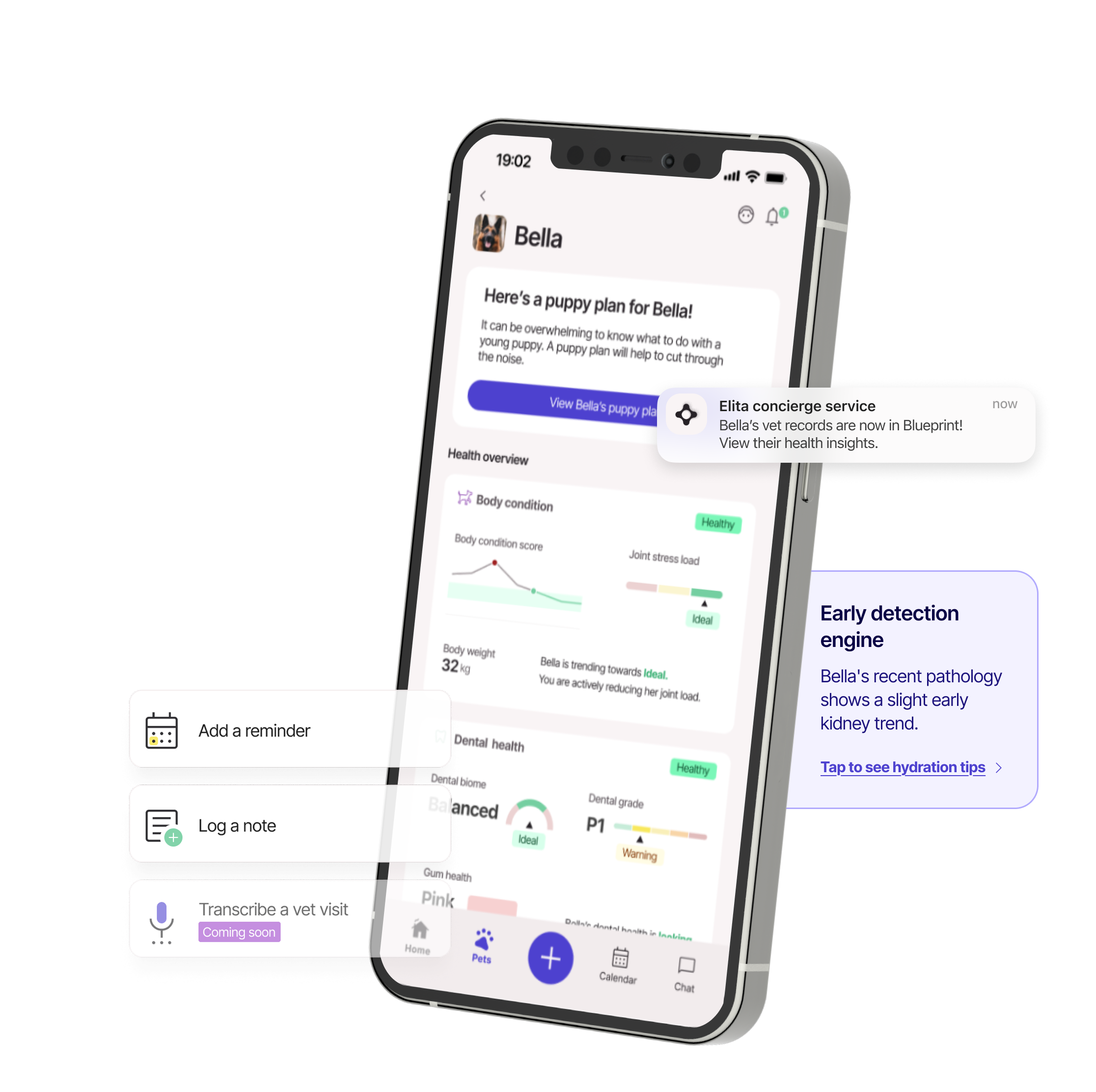
The earlier you notice a pattern, the easier it is to respond calmly. Blueprint lets you track subtle shifts over time, stools, appetite, itching, ear issues, energy, and mood, so you can tell the difference between a one-off blip and something worth addressing. That context helps you ask better questions, and get more out of your next vet visit.