Thunder shirt for dogs: biology of compression
Thunder shirts have become a staple tool for owners of anxious dogs, particularly during storm season or fireworks displays. To the skeptical eye, the concept seems too simple: a tight vest that claims to stop a panic attack.
However, the mechanism is grounded in established biology. It relies on a principle known as "deep pressure stimulation" (DPS), the same science that supports the use of weighted blankets for humans or swaddling for infants. It isn't magic; it is a physiological hack for the nervous system.
How pressure changes the brain
The sensation of consistent, gentle pressure across the torso triggers a specific hormonal response. It encourages the release of oxytocin (the bonding hormone) and endorphins, while simultaneously helping to lower heart rate and cortisol levels.
This shifts the dog’s autonomic nervous system away from "sympathetic" dominance (fight or flight) towards "parasympathetic" dominance (rest and digest). The shirt essentially acts as a physical signal to the body that it is safe to relax, helping to dampen the intensity of the anxiety response.
When a shirt isn't enough
While effective, compression is not a sedative. It works best for mild to moderate anxiety, the dog that paces, pants, or seeks comfort during a storm.
For dogs with severe phobias who are destructive, urinating indoors, or risking self-injury, a shirt alone is rarely enough. In these cases, it must be part of a "multimodal" approach.
This might include pheromone diffusers (like Adaptil), desensitisation training, and potentially medication prescribed by a vet. The shirt takes the edge off, allowing the dog to think, but it rarely cures the fear in isolation.
Tracking the anxiety triggers
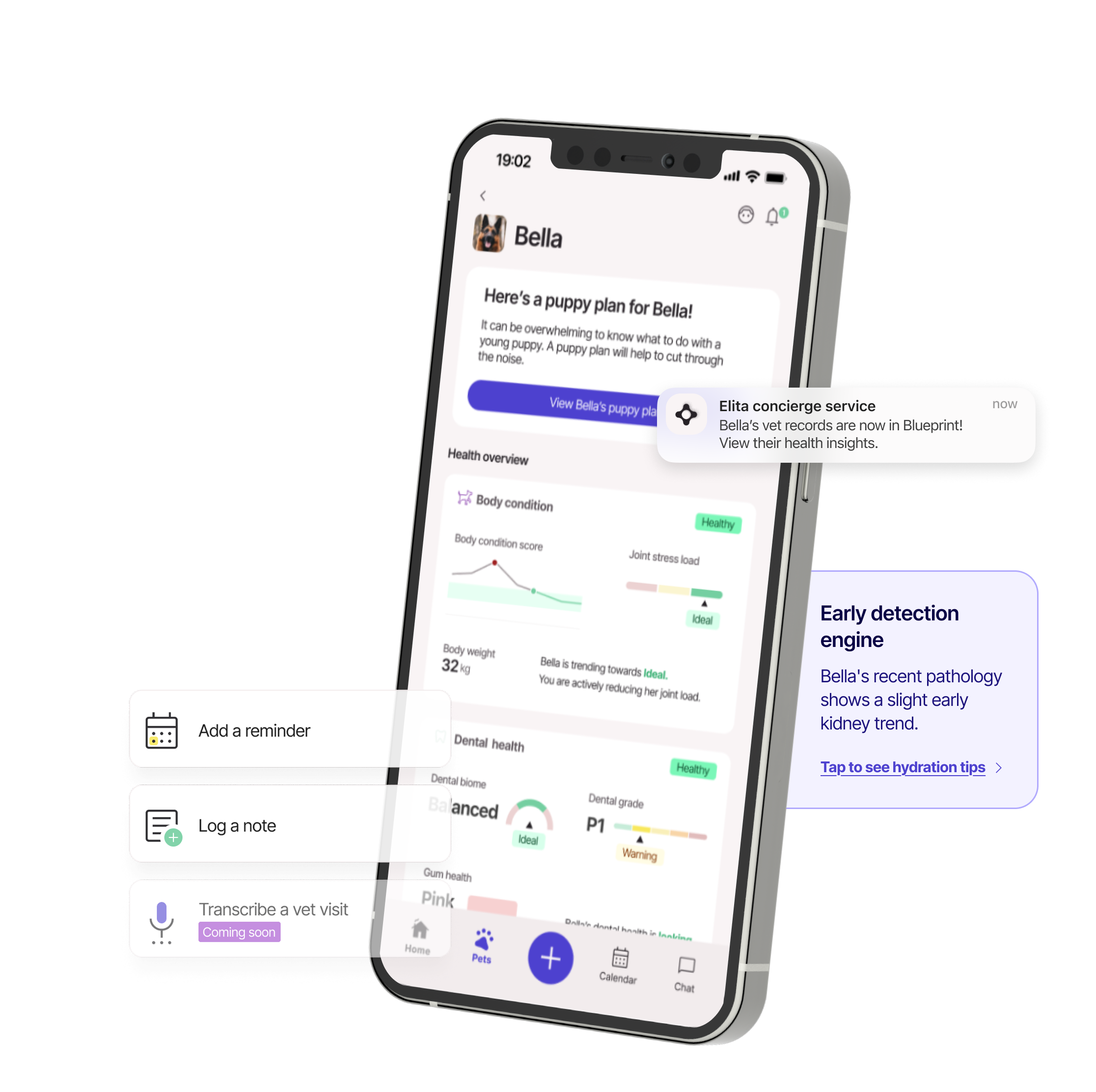
Anxiety is complex and often escalates over time. Elita Blueprint helps you manage this by tracking the context of the behaviour. You can log when the anxiety started, what the specific trigger was (e.g., "thunder," "loud bang," "separation"), and whether the Thunder shirt helped reduce recovery time.
We hold the longitudinal data that helps you see if your management strategy is actually working. If the data shows the shirt is losing effectiveness over months, it gives you the evidence you need to discuss stronger interventions with your vet.

Manage the mindset
Anxiety impacts your dog's quality of life. Use Elita Blueprint to track triggers, monitor the effectiveness of tools like Thunder shirts, and build a clearer picture of your dog's emotional health.